The International Yoga Festival Pondicherry brings practitioners, teachers, and curious visitors together along the Coromandel coast every January. Established by the local tourism department with the guidance of pioneering yogis, the gathering offers four days of asana demonstrations, educational lectures, traditional music, and quiet reflection facing the Bay of Bengal.
Pondicherry has long welcomed travellers seeking inner quiet and balance. During the festival, the seaside promenade turns into an open ground for morning routines, while indoor halls host intense yogasana contests and seminars. You can attend as a registered participant or simply stop by to observe morning practices and evening cultural recitals at your own pace.
At a glance
| When | Early January (usually Margazhi month) |
|---|---|
| Duration | 4 days (January 4 to 7) |
| Where | Promenade Beach and Old Port MICE Pavilion, Pondicherry |
| Highlight | Sunrise seaside yogasana demonstrations and championship rounds |
| Dress | Modest, flexible cotton clothing suitable for practice |
| From Pondicherry | roughly 0 km (held within town centre) |
What the festival celebrates
The International Yoga Festival Pondicherry was instituted in January 1993 by the Department of Tourism, Government of Puducherry, to honour and sustain India’s classical yogic tradition. The idea grew from the work of Yogamaharishi Swami Gitananda Giri, a physician, researcher, and yogi who established the International Centre for Yoga Education and Research, known widely as Ananda Ashram, in Lawspet. Swamiji, often remembered as the Lion of Pondicherry, bridged modern medical science with traditional practices such as Rishiculture Ashtanga Yoga, and he sponsored early international asana competitions in town during the late 1980s.
Pondicherry carries deep ties to spiritual lineages. Beyond historic connections to ancient Siddhars, the coastal town became known across the world through the teachings of Sri Aurobindo, The Mother, and established ashrams. This festival is designed not as a religious fair or temple car procession, but as a civic gathering dedicated to holistic health. It focuses on physical conditioning, mental clarity, and the study of yoga philosophy through dialogue and practice.
When it takes place
Unlike most regional temple festivals that follow the shifts of the Tamil lunar calendar, this gathering is tied to the standard calendar. It takes place annually from January 4 to January 7, coinciding generally with the quiet, cool Tamil month of Margazhi. Even with fixed annual dates, local schedules, exact venue allocations, and program timetables are confirmed locally each year by the Directorate of Tourism before opening day.
| Day | Core Activities | Primary Setting |
|---|---|---|
| Day 1 (January 4) | Delegate registrations, formal evening inauguration, opening cultural recitals | Convention Centre / MICE Pavilion |
| Day 2 (January 5) | Morning seaside yoga and bhajans, age-group asana rounds, lectures, evening arts | Gandhi Thidal and Convention Centre |
| Day 3 (January 6) | Early practice, advanced competition rounds, workshops on yoga therapy and health | Gandhi Thidal and Convention Centre |
| Day 4 (January 7) | Mass beachside demonstration, finals for Champion of the Meet, award ceremony | Promenade Beach and Convention Centre |

What you will see
Early mornings along the seaside begin quietly. You will find hundreds of students, instructors, and visiting delegates rolling out their mats on the stone paving facing the sea. The air fills with the sounds of morning bhajans, synchronized breathing, and guided instructions in both English and Tamil. These outdoor sessions present traditional posture routines and gentle pranayama exercises just as the sun climbs over the horizon.
Across the four days, the festival features distinct activities open to spectators:
- Competitive Yogasana Rounds: Contestants of all ages, from school students to senior practitioners, compete in balance, flexibility, and holding times across distinct age divisions.
- Workshops and Medical Papers: Eminent doctors and yoga scholars give presentations on therapeutic applications of yoga, stress reduction, and posture science.
- Evening Cultural Shows: Classical South Indian concerts and Bharatanatyam dance performances take place on open stages after sunset.
- Sattvic Food Sampling: Stalls and community dining sessions introduce visitors to traditional yogic vegetarian meals prepared with unrefined grains, fresh fruits, and mild herbs.
Where to watch and how to plan the day
The events take place mainly across two locations in the centre of Pondicherry. Outdoor morning sessions and evening cultural programmes gather around Gandhi Thidal, the paved public square located right in the middle of Goubert Avenue on Promenade Beach. Sitting steps and promenade benches provide open views of the stage and the groups practicing on the street.
Competitive judging, specialised masterclasses, and theoretical paper presentations take place indoors at the Convention Centre inside the Old Port premises nearby. Arriving early around 6:00 AM allows you to catch the sunrise practice on the sea wall in relative quiet before mid-morning warmth sets in. After the dawn sessions conclude around 8:00 AM, visitors usually take breakfast in White Town before dropping into the indoor halls for the competitive asana rounds.
Local tip: Promenade Beach is closed to motor vehicles during morning and evening walking hours, making it easy to stroll along Goubert Avenue between event spots on foot.

Etiquette, what to wear and photography
Modesty and mindfulness set the tone for all festival venues. If you plan to join the open physical sessions, wear flexible, breathable clothing made from natural cotton that covers shoulders and knees. Tight athletic wear is common during judging rounds, but outside the contest stage, modest attire is standard across all public spaces.
Remove your sandals or walking shoes before stepping onto practice mats, raised wooden stages, or indoor hall presentation carpets. Dedicated shoe drop areas are usually stationed near hall entry points. While photography is welcome during public seaside demonstrations and evening stage performances, turn off camera shutters and phones during silent meditation, breathing practices, and indoor academic lectures. Always ask permission before filming individual practitioners during their personal warmups.
Safety and practical tips
January brings comfortable weather to Pondicherry, with morning temperatures hovering around 22 to 24 degrees Celsius. The sun can still feel sharp by late morning, so carry a reusable water bottle, wear a lightweight hat, and apply sunscreen when watching outdoor rounds along the beach.
- Hydration: Tap water is not recommended for drinking; carry filtered water from your hotel to reduce single-use plastic waste on the beach.
- Footwear: Wear slip-on shoes or simple sandals that you can easily take off and put back on when moving between carpeted halls and streets.
- Belongings: Keep your bag zipped and close to your body while standing among crowds along the promenade, especially during the packed opening and closing events.
- Children: The seaside promenade has a drop to the wave breakers below; hold hands with young children along the parapet wall during crowded morning demos.

Getting there and where to stay
Reaching the festival sites is simple once you are in Pondicherry. Puducherry Railway Station is roughly 1.5 to 2 kilometres from Promenade Beach, while the town bus stand is about 3 kilometres west. Puducherry Airport offers limited regional flights and lies roughly 6 to 8 kilometres away in Lawspet. For most international and domestic travellers, Chennai International Airport is the main arrival gateway, situated about 140 to 150 kilometres north, or roughly three to four hours by road along the East Coast Road. Villupuram Junction, a major rail head, sits about 40 kilometres to the west.
Because January falls directly into the peak coastal travel season, hotels and heritage guesthouses in White Town and Heritage Town fill up months in advance. Book your accommodation early to secure a room within walking distance of Goubert Avenue, saving you from navigating morning auto-rickshaws.
Nice to combine with
Visiting for the festival gives you an opportunity to experience other aspects of life along the coast. The Sri Aurobindo Ashram is located just north of the promenade in the French Quarter, providing quiet courtyard spaces for meditation. A walk along the shaded streets of White Town reveals colonial architecture, local bakeries, and quiet courtyards.
If you enjoy traditional arts, you can also plan a day trip up the East Coast Road to witness open-air classical dance recitals at the Mamallapuram Dance Festival, which runs across the same winter weeks. For simple seaside relaxation, the quieter fishing hamlets and beaches north and south of the town centre offer broad sand stretches for an afternoon rest after festival seminars.
What recent visitors say
A quick, honest snapshot from recent Google reviews, so you know what to expect before you go.
What people loved
“Just enjoy the walk and the pleasant breeze”
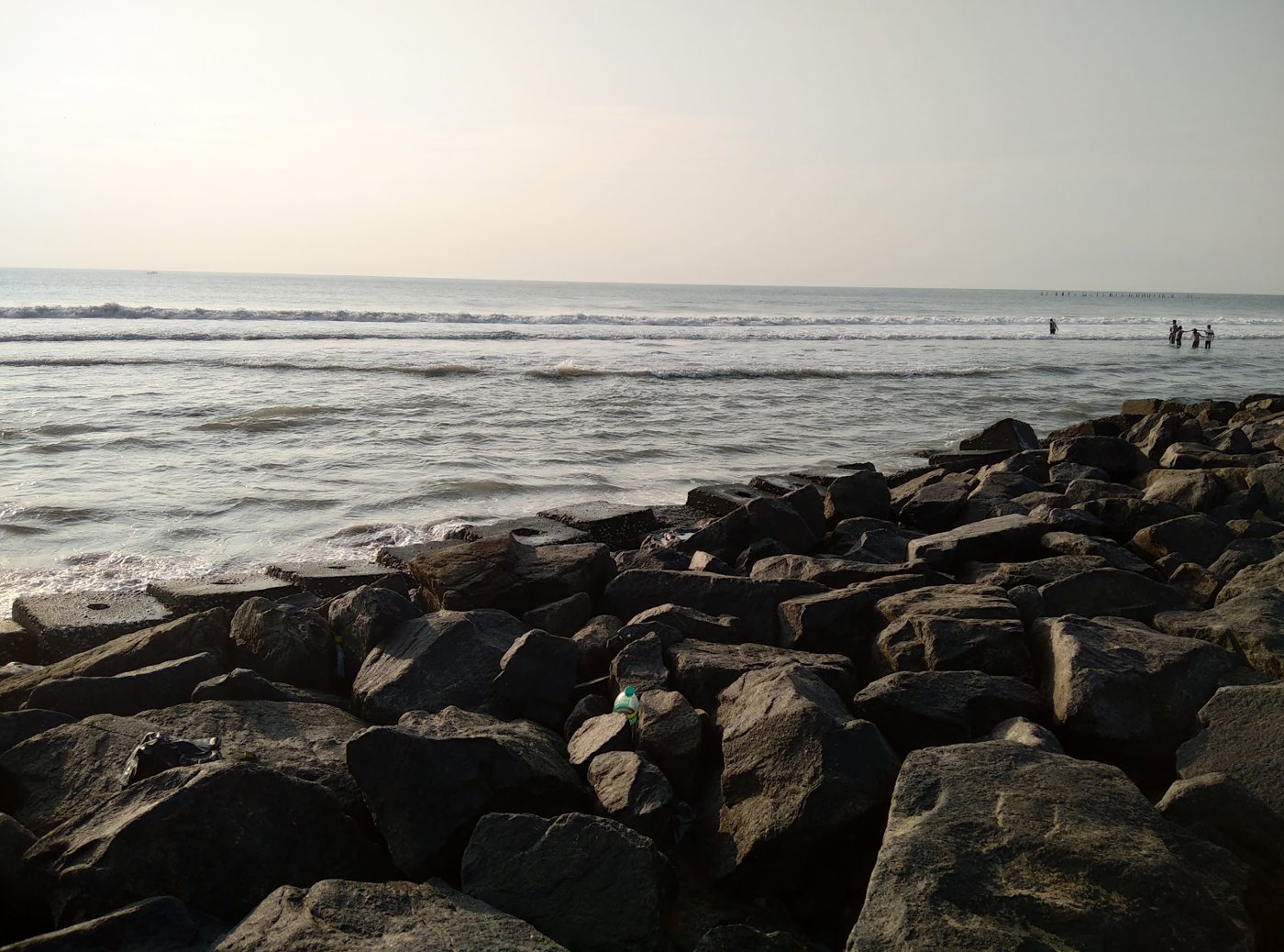
“This is a very nice beach to walk up and down! You can sit on the rocks and watch the waves crash into the beach. You cannot swim here but only dip your feet in. There are plenty of shops and restaurants around. Family friendly tourist…”
“Promenade Rock Beach is easily one of the best spots in Puducherry. The place is beautiful, clean, and very well maintained. What really stands out is the crowd and the overall vibe. It feels lively but not chaotic, with a great mix of…”
Reviews via Google Maps. Opinions are those of their authors.
Frequently asked questions
What are the exact dates for the festival?
The festival takes place every year from January 4 to January 7. While these Gregorian dates remain consistent, program schedules and stage listings are confirmed locally each year by the tourism authorities.
Can tourists take part in the yoga sessions?
Yes. Casual visitors can attend public morning routines and watch lectures or cultural shows at the promenade without registration. Those wishing to compete in official asana categories must register in advance with the organizers.
Do I need to pay an entry fee to watch the events?
No, viewing the open morning demonstrations on Promenade Beach and the evening cultural performances at Gandhi Thidal is free and open to everyone.
Is the festival connected to a specific temple?
No. It is a modern civic health and culture festival organized by the local government, focusing on posture, breathing science, and philosophy rather than temple ceremonies.
Find it
Address: Promenade Beach, Puducherry, India