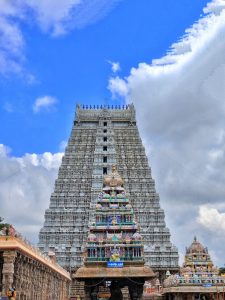
Experiencing Vaikunta Ekadasi Srirangam allows you to witness one of the most solemn and grand temple gatherings in southern India. Celebrated at the historic Sri Ranganathaswamy Temple in Srirangam, this festival draws hundreds of thousands of pilgrims who come to witness the opening of the northern gate to heaven.
For anyone travelling from Pondicherry or across Tamil Nadu during the cool weeks of December or January, the island of Srirangam becomes a profound centre of devotion. Temple bards chant ancient Tamil hymns, priests adorn the sacred images in radiant jewels, and worshippers maintain all-night vigils. Here is a practical, respectful guide to understanding the celebrations and planning your visit.
At a glance
| When | Margazhi (mid-December to mid-January) |
|---|---|
| Duration | 21 to 22 days (Pagal Pathu and Ra Pathu) |
| Where | Sri Ranganathaswamy Temple, Srirangam, Tiruchirappalli |
| Highlight | Opening of the Paramapada Vasal (Gateway to Heaven) |
| Dress | Strict traditional Hindu dress (dhoti or pyjama with kurta; saree or salwar) |
| From Pondicherry | Roughly 200 km by road (about 4 to 4.5 hours) |
The Sacred Legends and Meaning of the Festival
Vaikunta Ekadasi is the most important observance of the year for Vaishnavas, the devotees of Vishnu. The festival celebrates the opening of Vaikuntha Dvaram, the celestial gate leading into Vishnu’s divine abode. In Sri Vaishnava thought, the temple island of Srirangam is regarded as Bhooloka Vaikuntham, or heaven on earth, making it the foremost among the 108 sacred Divya Desams.
The primary legend of this day comes from the Padma Purana. An asura named Murasura once terrorised the devas using powers granted to him by Brahma. Unable to defeat the demon in battle, Vishnu withdrew to a cave named Simhavati near Badarikashrama. Pursued by Murasura, Vishnu manifested a goddess from his own divine energy named Yogamaya, who vanquished the demon. Pleased by her valour, Vishnu named her Ekadashi and decreed that anyone who fasts and worships her on this day will be freed from earthly sins and attain his abode.
A second tradition tells of King Ambarisha of Ayodhya, a devout follower who observed a strict fast for Ekadashi. Just as he prepared to break his fast on Dvadashi, the sage Durvasa arrived and delayed returning from his ritual bath. To keep his spiritual vow without offending his guest, the king sipped a single drop of water. An enraged Durvasa attacked him, but Vishnu’s Sudarshana Chakra defended the king and chased the sage until Durvasa sought Ambarisha’s pardon. A third legend recounts that Vishnu showed mercy even to two demons who opposed him, granting them entry into his realm and promising that anyone who passes through the celestial gate on this day will attain spiritual liberation.
Festival Schedule and Key Calendar Dates
Vaikunta Ekadasi takes place on the eleventh lunar day of the waxing moon during the solar month of Dhanu, corresponding to the Tamil month of Margazhi. In the Gregorian calendar, this generally falls between 16 December and 13 January. The entire festival, known as the Adhyayana Utsavam, spans 21 to 22 days and was codified by great Sri Vaishnava preceptors, including Nathamuni and Ramanuja.
The festival is split evenly into two ten-day halves: Pagal Pathu (daytime festival) and Ra Pathu (night-time festival). The main event of the pre-dawn gateway opening occurs on the first morning of Ra Pathu. For the upcoming 2026 cycle, temple schedules mark the start on 9 December with Thirunedunthandagam, the opening of the celestial gate on 20 December, and the concluding rites on 30 December with Nammalvar Moksham. Exact dates vary each year based on lunar timings and are confirmed locally by temple authorities.
| Festival Stage | Significance and Rituals |
|---|---|
| Thirunedunthandagam | Opening day marking the formal beginning of the Adhyayana Utsavam. |
| Mohini Alankaram | Day 10 of Pagal Pathu; Namperumal appears dressed as the enchantress Mohini. |
| Vaikunta Ekadasi | Day 1 of Ra Pathu; the Paramapada Vasal opens before dawn for the procession. |
| Vedupari | Day 8 of Ra Pathu; reenactment of Thirumangai Alvar’s legendary ambush. |
| Nammalvar Moksham | The solemn finale celebrating the spiritual liberation of the saint Nammalvar. |
What You Will See: Rituals, Processions and Chants
During the twenty core days of the festival, the immovable central deity in the inner sanctum, Ranganatha, is adorned in the Muthangi, an elaborate armour fashioned entirely from natural pearls. Devotees wait patiently for hours to catch a glimpse of this sacred sight, which is visible only during this festival period.
The processional deity, known lovingly as Namperumal, receives special adornments as well. On the final day of Pagal Pathu, the deity is dressed in the graceful form of Mohini. On the morning of Ekadasi itself, Namperumal is clad in Rathnangi, a shimmering armour encrusted with diamonds and rubies, before moving out of the sanctum sanctorum.
A distinctive cultural feature inside the halls is Araiyar Sevai. This is an ancient temple performing art preserved through generations, where hereditary temple bards sing verses from the four thousand Tamil hymns of the Nalayira Divya Prabandham, enacting them with gestures and measured dance steps. The air fills with the ringing of bronze bells and the rhythmic chant of Govinda as the deity moves toward the Thousand Pillar Hall.
Local tip: Fasting devotees abstain completely from eating rice on Ekadasi and keep an all-night vigil of prayer. The meal on the following day, Dvadashi, is designed to be mild, wholesome, and easy on the stomach.
Where to Watch and How to Plan Your Day
The focal point of the main day is the Paramapada Vasal, also called the Svarga Vasal or the gate to heaven, situated in the second enclosure of the temple complex. This ornate northern door opens only once a year during the pre-dawn hours of Vaikunta Ekadasi. Namperumal passes through the threshold amidst soaring devotional chants, followed by thousands of pilgrims seeking the spiritual merit of walking behind the Lord.
After passing through the gateway, the procession moves into the Aayiram Kaal Mandapam (Thousand Pillar Hall), where Namperumal holds court through the nights of Ra Pathu. If you visit during the daytime of Pagal Pathu, the Garuda Mandapam and Ranga Vilasa Mandapam are the finest vantage points to observe the daytime assemblies and witness the Araiyar Sevai recitations.
To attend the early morning gateway opening, you must prepare for long waiting hours. Worshippers assemble in barricaded queue lines starting the evening before. If you prefer to avoid the most intense crushes, consider visiting later during the Ra Pathu days, when the Paramapada Vasal remains open for devotees to walk through in a calmer setting.
Temple Etiquette, Dress Code and Photography
Sri Ranganathaswamy Temple is an active place of daily worship with strictly enforced regulations. Modest and traditional Indian attire is mandatory to enter the inner enclosures. Men must wear a dhoti or pyjama with a kurta, or an upper cloth. Women should wear a saree, half-saree, or a modest salwar-kameez. Shorts, jeans, sleeveless tops, and Western casuals are not permitted.
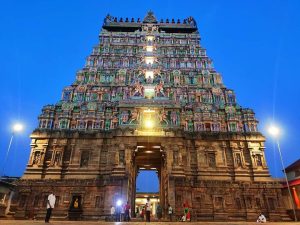
Non-Hindus are welcome to walk through the grand outer courtyards and admire the towering gopurams and open stone corridors. However, access past inner checkpoints, such as the Aryabhata Gopuram, and into the sanctum sanctorum is reserved exclusively for practicing Hindus. Respectful observance from permitted areas is appreciated by the temple community.
Photography and mobile phones are strictly prohibited within the inner temple precincts. Security personnel at queue lines enforce this rule diligently. It is best to leave your phone safely locked in your hotel room or vehicle rather than risk having it confiscated at the checkpoints.
Safety and Practical Advice for Crowds
Because hundreds of thousands of people converge on Srirangam on the main Ekadasi day, crowd management is extensive. Barricaded holding areas and slow-moving lines are the norm. Stay calm and patient, and follow the instructions of the police and temple volunteers who direct the queues.
- Footwear: Shoes must be removed before entering the temple gates. Leave them at designated footwear counters outside the outer gopurams, and make a careful mental note of the counter number so you can find them easily later.
- Hydration: Carry a small bottle of drinking water with you while waiting outside. Even in winter, standing in crowded corridors for hours can become physically taxing.
- Valuables: Keep wallets, cash, and identification in a secure, concealed pouch. Avoid wearing expensive gold jewellery into dense crowds to guard against opportunistic pickpockets.
- Children and seniors: The sheer density of the crowd on Ekadasi morning can be overwhelming for small children and elderly family members. Visiting during the less crowded daytime sessions of Pagal Pathu is a much gentler option for families.
Getting to Srirangam and Where to Stay
Srirangam is an island town situated about 8 to 10 kilometres from the centre of Tiruchirappalli (Trichy). Srirangam railway station is just 1.5 kilometres from the temple, while Tiruchirappalli Junction, a major rail hub with frequent connections across South India, is roughly 9 kilometres away. Tiruchirappalli International Airport is approximately 15 kilometres from the temple gates.
If you are travelling from Pondicherry, the road journey covers approximately 200 kilometres and takes roughly 4 to 4.5 hours driving via the NH38 and NH36 highways. Taxis and intercity buses operate regularly along this route.
Accommodation fills up completely around the festival dates. Modest pilgrim lodges and guesthouses line the four main streets around the temple, while standard business hotels are clustered around Tiruchirappalli Junction. It is essential to book your stay several months in advance if your visit coincides with the opening of the Paramapada Vasal.
Combining Your Visit Across Tamil Nadu
A visit to Tiruchirappalli during Margazhi pairs naturally with the wider cultural calendar of the region. December and January are wonderful months to explore Tamil Nadu, with cool mornings and cultural events taking place in many towns. You might consider tying your trip to Trichy with the Chennai December Music Season, where classical carnatic concerts fill halls across the state capital.
While in Trichy, take time to visit the iconic Rockfort Temple and the nearby riverbanks of the Kaveri. After days of traditional fasting, the local vegetarian eateries in Srirangam and Trichy serve nourishing South Indian meals, featuring traditional sambar, rasam, and fresh seasonal vegetables.
Frequently asked questions
When does Vaikunta Ekadasi take place each year?
The festival falls on the eleventh lunar day of the waxing moon during the Tamil month of Margazhi, which occurs between 16 December and 13 January. For 2026, the core gateway opening is scheduled for 20 December. Because the observance follows the lunar calendar, exact dates move each year and are confirmed locally by temple authorities.
Can non-Hindus enter the temple during Vaikunta Ekadasi?
Non-Hindus can walk through the expansive outer courtyards and open corridors of Sri Ranganathaswamy Temple to take in the architecture and atmosphere. However, entry into the inner sanctum and through checkpoints like the Aryabhata Gopuram is strictly restricted to Hindus.
What is the significance of walking through the Paramapada Vasal?
The Paramapada Vasal represents the gateway to Vaikuntha, the supreme heavenly abode of Vishnu. According to sacred tradition, passing through this northern door behind the processional deity on Ekadasi grants liberation from worldly suffering and freedom from rebirth.
What should visitors wear to the temple?
Traditional Indian clothing is strictly mandatory. Men must wear a dhoti or pyjama paired with a kurta or upper cloth, while women should wear a saree, half-saree, or salwar-kameez. Western clothing such as jeans, shorts, and skirts is not allowed inside the worship areas.
Find it
Address: Sri Ranganathaswamy Temple, Srirangam, Tiruchirappalli, Tamil Nadu, India
You might also like
- Where to stay in Pondicherry
- Festivals of Pondicherry and Tamil Nadu
- Visiting Jambukeswarar Temple in Tiruchirappalli
- Guide to Thayumanavar Temple in Tiruchirappalli
- An Evening at De Lounge Tiruchirappalli: Club Guide
- Things to do in Pondicherry
- Guide to Thayumanavar Temple in Tiruchirappalli
- Guide to Sri Ranganatha Swamy Temple in Srirangam
- Thanjavur Palace Guide: History, Hours and Tips