Experiencing Pongal and Jallikattu Madurai allows you to witness the heart of Tamil harvest culture, where gratitude for nature, the sun, and working cattle shapes four days of celebration. Villages across the district decorate their doorsteps with intricate white patterns, prepare sweet rice in open courtyards, and gather around dusty rural arenas to watch traditional bull-taming matches.
Madurai serves as the historic hub for these celebrations, particularly for the sport of Jallikattu held in nearby villages such as Alanganallur. Attending as an outside guest requires an appreciation of the religious and agrarian roots of the events, alongside sensible planning for crowds and travel.
At a glance
| When | Tamil month of Thai (mid-January, usually 14 to 17 January) |
|---|---|
| Duration | Four consecutive days |
| Where | Alanganallur Jallikattu Arena, Alanganallur, Madurai |
| Highlight | Community harvest cooking and the grand finale at Alanganallur |
| Dress | Modest, breathable cottons with sun protection and sturdy shoes |
| From Pondicherry | Roughly 330 to 335 km by road via NH38 |
What Pongal and Jallikattu Celebrate
Pongal is an ancient Tamil agrarian harvest festival dedicated to the solar deity Surya, the forces of nature, and the farm cattle that support agricultural livelihoods. The observance marks the end of the winter solstice and corresponds to Uttarayana, the beginning of the sun’s six-month journey northwards when it enters Capricorn. In wider Indian tradition, this corresponds to Makar Sankranti. The word pongal itself stems from the Tamil term pongu, which means boiling over or overflow, symbolising abundance and shared prosperity.
Historical records show that these rites have deep regional roots. An inscription from the reign of Chola king Kulottunga I at the Veeraraghava Swamy Temple mentions a grant of land to support annual Pongal celebrations, and the ninth-century Shaiva Bhakti text Tiruvempavai by Manikkavacakar details the festival. Medieval inscriptions from the Chola and Vijayanagara periods record early recipes for the ceremonial rice dish, prepared as offerings in community kitchens.
Running alongside the harvest thanksgiving is Jallikattu, an ancient pastoral tradition historically known as Eru Thazhuvuthal, or bull embracing. Originating in the Sangam era over two thousand years ago, the contest draws its modern name from jalli, referring to silver or gold coins, and kattu, meaning tied. In early practice, small packages of coins were tied to the horns of prize indigenous bulls, which young men attempted to retrieve as a demonstration of valour. Today, it remains an essential rural event that showcases indigenous cattle breeds, such as Kangayam and Pulikulam.
When the Festival Takes Place
The festival begins on the final day of the Tamil calendar month of Margazhi and extends across the first three days of Thai. In the Gregorian calendar, these dates usually fall between 14 January and 17 January. Exact schedules are confirmed locally each year by community elders and temple authorities, though the calendar sequence remains constant.
| Day | Festival Name | Core Observances and Events |
|---|---|---|
| Day 1 | Bhogi | Cleaning homes, dawn bonfires to discard old items, prayers to Indra for rain. |
| Day 2 | Thai Pongal | Main harvest day honouring Surya; boiling fresh rice and milk in clay pots. |
| Day 3 | Mattu Pongal | Bathing and honouring farm cattle; opening matches of the Madurai Jallikattu circuit. |
| Day 4 | Kaanum Pongal | Family visits, social gatherings, and the continuation of rural arena events. |
The Madurai region follows a strict sequence for its major bull-embracing events. The matches commence at Avaniyapuram on Mattu Pongal, proceed to Palamedu on Kaanum Pongal, and conclude with the grand finale at Alanganallur the morning after.

What You Will See Across the Four Days
On Bhogi, villages wake before sunrise. People light small bonfires outside their homes to burn unwanted household items, marking a clean start for the new year. Front courtyards are swept clean, washed, and painted with fresh lime. In certain regions, residents tie protective bunches of neem and seasonal leaves, known as kaappu kattu, along the roof eaves.
On Thai Pongal, families set up outdoor wood fires in courtyards or porches to prepare the signature sweet dish. A new clay pot is wrapped with fresh turmeric roots and flower garlands. Freshly harvested rice is boiled with milk, raw cane jaggery, cashews, raisins, and cardamom. When the boiling liquid spills over the rim, everyone gathered shouts Pongalo Pongal, celebrating future abundance. Offerings are made to Surya and Ganesha on fresh banana leaves before the meal is shared.
Mattu Pongal turns attention directly to livestock. Farm cattle are washed clean, their horns filed smooth and painted in bright shades, and their necks draped with floral garlands and brass bells. In the Jallikattu arenas, tension builds as crowds assemble. Before any competition begins, the village temple bull, such as the sacred bull of the Alanganallur Muniyandi temple, is released through the narrow entryway, called the vadivaasal. This bull runs untamed down the sandy track without interference, as a sign of respect.
Once the competitive rounds open, prize bulls burst through the vadivaasal one by one. Tamers waiting in the sand attempt to hold onto the bull’s hump for a specified distance or time, relying on agility and balance. Traditional melam drumming sets a rapid pace, and successful participants or cattle owners earn awards ranging from brass vessels to motorbikes and gold coins.
Where to Watch and How to Plan Your Day
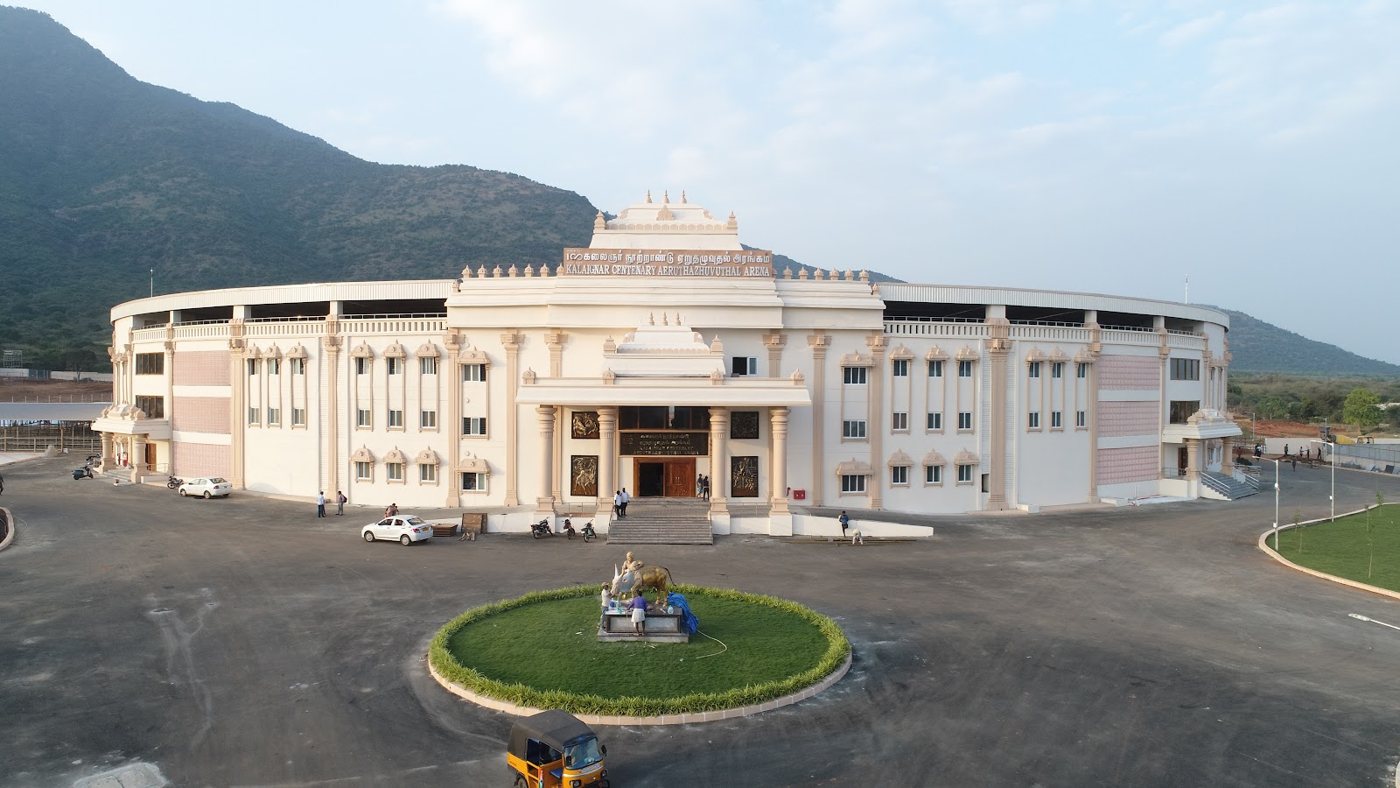
The primary venue for visitors is the Alanganallur Jallikattu Arena, situated in the village of Alanganallur roughly 18 km north of central Madurai. A newer, purpose-built facility named the Kalaignar Centenary Arena is located at Keezhakarai, approximately 3 km from the traditional village centre. Both sites draw massive gatherings of village residents and visitors from across Tamil Nadu.
To secure a safe view, spectators must use the elevated viewing galleries set behind double-tiered steel barricades. Tamil Nadu Tourism often sets up a dedicated tourist gallery for international and out-of-state visitors. You must arrive very early in the morning, often by 6:00 AM, because access roads into Alanganallur are closed to general vehicle traffic several hours before the first bull enters the arena.
Local tip: Register in advance through official state tourism channels if you wish to access the designated visitor gallery, as general standing areas fill completely before daybreak.

Etiquette, What to Wear, and Photography
Pongal is an intimate social and family festival, not a staged public show. When walking through residential streets to observe cooking rituals or doorstep kolam artworks, maintain a polite distance. If families offer you sweet rice on a leaf, accept it with both hands as a kind gesture of hospitality.
Dress modestly in loose, breathable cotton clothes. The mid-day sun in southern Tamil Nadu can be intense, so carry a wide-brimmed hat and sunglasses. Avoid delicate footwear; choose closed, comfortable shoes suitable for walking across dry earth, unpaved lanes, and crowded metal stands.
Photography is permitted from the spectator galleries. Because you will be seated behind protective fences and at a distance from the sand track, a telephoto lens is helpful for capturing action around the vadivaasal. Always ask permission before photographing individuals, family courtyards, or handlers tending to their livestock outside the arena.
Safety and Practical Advice for Crowds
The village arenas become packed with thousands of spectators, requiring careful attention to personal safety. Stay strictly inside the designated elevated stands. Never attempt to stand near the bull collection area or along the unbarricaded release paths outside the arena boundaries, as bulls move at high speed once they clear the sandy run.
- Carry sufficient drinking water and electrolyte packets, as stalls inside the viewing perimeter are limited.
- Keep your personal belongings, phones, and wallets secured in zipped pockets or cross-body bags.
- Leave young children at your hotel in Madurai, as the high noise levels, crowded stands, and restricted exits make the arena unsuitable for them.
- Agree on a clear meeting location outside the village perimeter with your driver or travelling companions in case mobile networks face congestion.

Getting There and Where to Stay
Madurai serves as the ideal base for the entire Pongal weekend. The city connects smoothly with the rest of Tamil Nadu by road, rail, and air. Madurai Junction railway station is located about 18 km south of Alanganallur, while Madurai Airport sits roughly 30 km to the south. If you are travelling from Pondicherry, the road distance is roughly 330 to 335 km via NH38, which takes about six to seven hours by car or direct bus.
Because hotels fill up around the main days, you should reserve your accommodation in Madurai several months in advance. Arranging a hired taxi through your hotel to drop you off near the outer police checkpoints at Alanganallur before dawn is the most practical way to reach the village, after which you will need to walk the remaining distance to the stands.
What to Combine with Your Madurai Visit
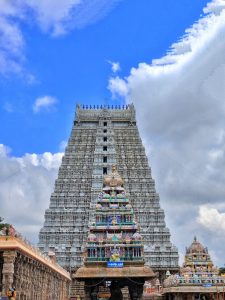
Spending the harvest holidays in Madurai provides an excellent chance to explore the region’s historic landmarks. You can spend an evening visiting the prominent Meenakshi Amman Temple to view its soaring gateway towers and sculptured corridors, or tour the seventeenth-century Thirumalai Nayakkar Palace located nearby.
Madurai is also celebrated across south India for its distinct food tradition. Between festival events, stop at local eateries to sample hot bun parottas, crisp idlis served with regional chutneys, and glasses of jigarthanda, a traditional chilled dessert beverage made with condensed milk and almond gum.
What recent visitors say
A quick, honest snapshot from recent Google reviews, so you know what to expect before you go.
What people loved
“Everything is clean and well-maintained. It would be better if CCTV cameras and proper safety and security arrangements are available. Having a security guard at the main gate would also provide additional safety and security.”
“I really enjoyed Jallikattu! It’s a unique and thrilling experience, and the venue was amazing — spacious, well-organized, and full of atmosphere. A true immersion into the culture and traditions.”
“My family and I truly enjoyed every moment of the second day of the Pongal Festival 2025. It was an unforgettable experience filled with beautiful memories”
Reviews via Google Maps. Opinions are those of their authors.
Frequently asked questions
What exact dates do Pongal and Jallikattu fall on?
Pongal starts on the final day of the Tamil month of Margazhi and covers the first three days of Thai, which usually corresponds to 14 to 17 January. Specific match dates for village arenas like Alanganallur are confirmed locally each year by the district administration.
Can international visitors watch Jallikattu at Alanganallur?
Yes, visitors of all backgrounds and nationalities are welcome to attend. Tamil Nadu Tourism frequently sets up a dedicated tourist viewing gallery behind safety barricades to ensure safe viewing.
What is the rule regarding how bulls are tamed in the arena?
Tamers are permitted only to hold onto the bull’s large hump for a designated distance or time. They are strictly prohibited from holding the horns, pulling the tail, or causing physical harm to the animal.
How do I reach Alanganallur from Madurai city centre?
Alanganallur is located approximately 18 km north of central Madurai. You can hire a local taxi or auto-rickshaw to reach the outskirts of the village, though you should depart before daybreak due to early morning road closures.
Find it
Address: Keelakarai, Alanganallur, Tamil Nadu 625501, India
You might also like
- Hotels in Madurai
- Festivals of Pondicherry and Tamil Nadu
- Visiting Vandiyur Mariamman Teppakulam in Madurai
- Harvey’s Lounge Bar Madurai: Heritage Drinks on Pasumalai
- Things to do in Pondicherry
- Visiting Vandiyur Mariamman Teppakulam in Madurai
- Guide to Arudra Darshan Chidambaram: Rituals and Tips
- Experiencing the Mamallapuram Dance Festival by the Sea
- International Yoga Festival Pondicherry: Guide to January Events