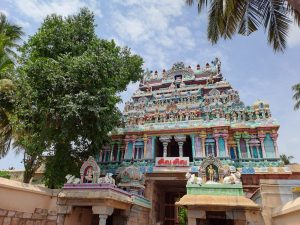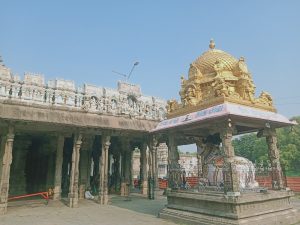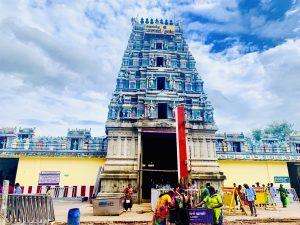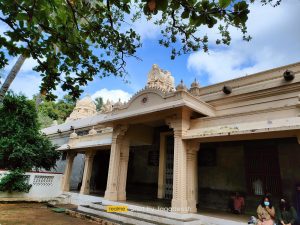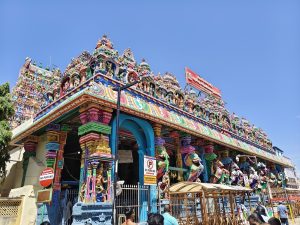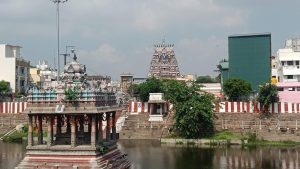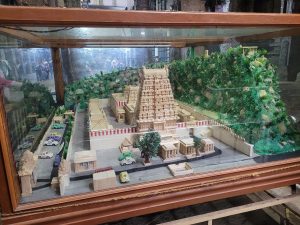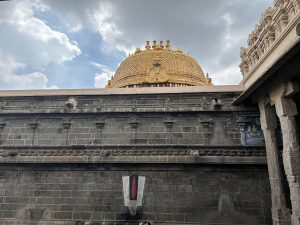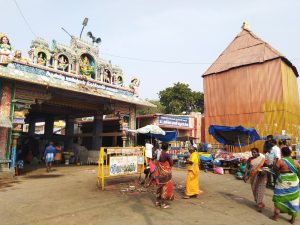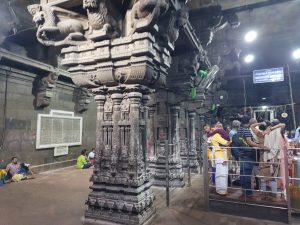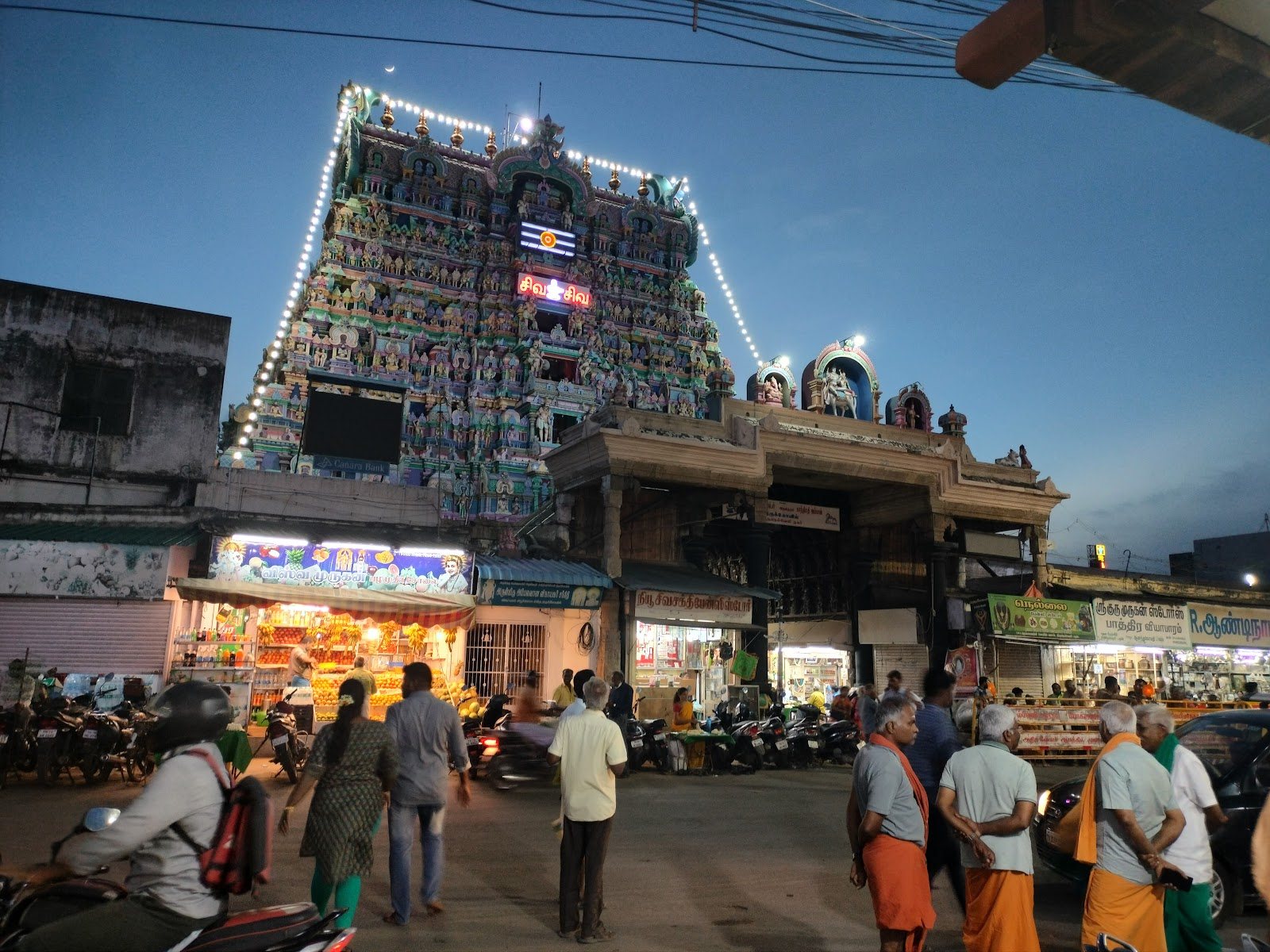
Swami Nellaiappar Temple stands at the historic center of Tirunelveli, drawing worshippers and admirers of classic stone architecture from across southern India. Spread over fourteen acres, this ancient complex dedicated to Lord Shiva and Goddess Gandhimathi Amman preserves centuries of devotional traditions, daily rituals, and remarkable granite craftsmanship.
If you are travelling down from Pondicherry or touring through the southern districts of Tamil Nadu, Tirunelveli makes a rewarding stop. Spending an unhurried morning walking the pillared corridors of this living temple lets you experience quiet prayer halls, ancient temple hymns, and centuries of regional dynastic history carved into solid stone.
At a glance
| Best time of day | Early morning or late afternoon |
|---|---|
| Allow | 2 to 3 hours |
| Dress | Traditional modest temple attire |
| Photography | Strictly banned in sanctum; restricted in inner halls |
| From Pondicherry | roughly 450 km by road (about 8 to 9 hours) |
Why this place matters
The roots of the temple reach back deep into antiquity. The seventh-century Saivite saint Thirugnanasambandar praised the shrine in his sacred Thevaram hymns, classifying it as one of the revered Paadal Petra Sthalam sites. Over subsequent centuries, the temple grew through substantial patronage. The Early and Later Pandyan kings laid its architectural foundation, while successive rulers from the Chola dynasty, the Vijayanagara Empire, and the Madurai Nayaks commissioned expansive halls, towers, and decorative carvings.
The very name of Tirunelveli originates from an old temple tradition. According to local lore, a devoted priest left paddy grains drying under the sun when a sudden storm broke out. Lord Shiva intervened directly to protect the grains, raising a miraculous protective fence around the field so that not a single seed was washed away. The word Tiru means sacred, Nel translates to paddy, and Veli means fence. This legend gave the city its name, and the presiding deity became known as Nellaiappar, the lord of the paddy fence, also addressed as Venuvananathar.
Beyond its name and history, the complex holds special spiritual status in Saivism as the home of the Tamra Sabha, or Copper Dance Hall. Tamil tradition identifies five sacred dance halls, known collectively as the Pancha Sabha, where Lord Shiva as Nataraja is believed to have performed his cosmic dance. The copper-roofed hall inside this temple remains one of the most revered among them.
What you will see
Spread across roughly fourteen acres, the layout consists of twin temple compounds joined together. One enclosure is dedicated to Swami Nellaiappar, and the adjoining sanctuary honors Goddess Arultharum Gandhimathi Amman. To move between the two large shrines, you walk along the Sangili Mandapam, a handsome seventeenth-century chain corridor whose carved stone pillars physically connect the separate complexes into a unified whole.
Among the finest stonecraft in southern India can be observed inside the Mani Mandapam. Here stand the famous musical pillars, carved out of single blocks of solid granite. Each primary pillar is surrounded by smaller, slender stone shafts that ring with different melodic pitches when gently tapped. Close by stands the Aayiram Kaal Mandapam, a grand thousand-pillared hall designed to host large religious gatherings and annual celebrations.
The complex also features the Swarna Pushkarani, or Golden Lily tank, where devotees wash their feet and sit in quiet contemplation along the stone steps. Outside the eastern gopuram, you can view the massive wooden temple chariot, known locally as the Ther. This historic car is celebrated across the state as one of the largest temple chariots in Tamil Nadu, paraded through the town streets during annual festival cycles.
Local tip: Ask an on-site temple priest or local attendant to demonstrate the resonant tones of the musical pillars in the Mani Mandapam. Tap them gently with your knuckles to protect the delicate antique stone.
How a visit works
Your visit typically begins at the East Car Street entrance, where the towering outer gopuram marks the main gateway. Before crossing the threshold, you must leave your footwear at the designated counter outside. Entry into the temple complex is free for everyone, though nominal fees apply if you wish to purchase special darshan queue tickets or sponsor specific pujas.
Once inside, the atmosphere is calm and reverent, filled with the aroma of camphor, oil lamps, and fresh jasmine garlands. Regular worship follows a set daily rhythm across both shrines:
- Morning hours: 5:30 AM to 12:30 PM
- Evening hours: 4:00 PM to 9:00 PM
- Traditional aarti, abhishekam, and chanting ceremonies carried out across the twin sanctums during each session
- Special rituals in the Tamra Sabha on designated festival dates
Non-Hindu visitors are welcome to explore the outer courtyards, the Sangili Mandapam, and the grand pillared halls to admire the historic architecture. Access to the innermost sanctum sanctorum may be restricted to practicing Hindus in keeping with established temple traditions.
Etiquette and what to wear
Swami Nellaiappar Temple is an active place of daily worship managed under the rules of the Tamil Nadu HR and CE department. All visitors must observe proper decorum and comply with the mandatory dress code before entering.
- Men must wear traditional dhotis, pyjamas, or modest formal trousers paired with a shirt. Shorts, bermudas, and sleeveless undershirts are prohibited.
- Women should wear sarees, salwar kameez suits, or traditional ankle-length clothing. Short skirts, sleeveless tops, and revealing clothes are not permitted.
- Leave all shoes, sandals, and leather footwear at the shoe counter outside the main entrance before stepping on the stone perimeter.
- Photography is strictly prohibited inside the sanctum sanctorum and restricted in the inner corridors. Always follow warning signs and instructions from temple staff.
- Keep mobile phones switched to silent mode, walk quietly through prayer areas, and do not lean or sit on sanctum thresholds.
Best time to go and how long to stay
The most comfortable time to visit is during the early morning between 6:00 AM and 8:30 AM, or in the late afternoon from 4:30 PM onward. Midday heat warms the stone courtyards, making walking barefoot uncomfortable. Plan to spend between two and three hours so you can explore both the Nellaiappar and Gandhimathi shrines, admire the Sangili Mandapam, and inspect the stone carvings without feeling hurried.
If you wish to see the temple at its most festive, consider timing your trip around one of its major annual celebrations:
| Festival | Gregorian Months | Observance |
|---|---|---|
| Aani Brahmotsavam | June to July | The celebrated Car Festival (Aani Ther) where the massive wooden chariot is drawn around the four car streets |
| Aippasi Thirukalyanam | October to November | The celestial wedding celebrations of Swami Nellaiappar and Gandhimathi Amman |
| Arudra Darisanam | December to January | Elaborate rituals and cosmic dance commemorations held directly inside the Tamra Sabha |
| Thai Poosam & Maha Shivaratri | January to March | Night-long vigils, special abhishekams, and large gatherings of devotees |
Getting there from Pondicherry and where to stay
The overland journey from Pondicherry down to Tirunelveli covers roughly 450 km. Driving by private car or taking an express bus along the national highway network through Tiruchirappalli and Madurai takes about 8 to 9 hours. If you prefer rail travel, convenient overnight and daytime trains run regularly from nearby Villupuram Junction straight into Tirunelveli.
For travellers who prefer flying, Tuticorin Airport is the closest facility, located roughly 40 km east of the city. Madurai International Airport lies about 150 km to the north and offers wider domestic connections. From either airport, taxis and express buses connect directly into Tirunelveli.
Within the city itself, the temple is situated in Tirunelveli Town. The local Tirunelveli Town railway station is approximately 1 km away, while the larger Tirunelveli Junction station sits about 4 km to the east. Frequent auto-rickshaws and local town buses link both stations to East Car Street. For accommodation, comfortable modern hotels and budget lodges are clustered primarily around Tirunelveli Junction.
Nice to combine with
A visit to Nellaiappar Temple can easily anchor a broader day of exploration across the Thamirabarani River valley. The surrounding countryside is dotted with historic shrines, sacred river steps, and scenic waterways that showcase the deep religious traditions and scenic geography of Tirunelveli district.
- Krishnapuram Venkatachalapathy Temple: Situated about 13 km from town, celebrated for its extraordinary Nayak-period stone carvings and life-sized sculpted figures.
- Thamirabarani River ghats: The bathing ghats bordering the town center offer peaceful morning views and a glimpse of daily riverside worship.
- Papanasam Temple and Agasthiyar Falls: Located roughly 50 km west near the foothills, combining a riverfront Shiva temple with a freshwater cascade.
- Manimuthar Falls and Dam: Positioned approximately 45 km away, offering scenic hillside views and a pleasant reservoir park.
Local tip: While walking along the Car Streets outside the temple, stop by one of the heritage sweet shops to taste warm Tirunelveli halwa, prepared freshly with clarified butter and Thamirabarani river water.
What recent visitors say
A quick, honest snapshot from recent Google reviews, so you know what to expect before you go.
What people loved
★★★★★ K · 2 months ago
“This is a must-visit place if you ever visit Tirunelveli. The temple is deeply connected to the town’s roots and is an architectural marvel in its own right. All the Tirunelveli favourites, be it the Iruttu Kadai halwa or the Kasi Vilasam…”
★★★★★ Suprith · 3 months ago
“Beautiful temple. Feels vintage. No mass crowd gathering. It took just a 10 minutes to finish the dharshan. Note: park your 4 wheeler at the entrance to the road to the temple they charge 40rs The road is too narrow with no place to even…”
★★★★★ வேல் · 3 months ago
“Nellai is also known as Tirunelveli. Presiding deity is Nellaiappar and Kanthimathi devi. Very big temple Arulmigu Nellaiappar – Kanthimathi Amman Temple, located in Tirunelveli, Tamil Nadu, is one of the most revered and ancient Shaiva…”
Reviews via Google Maps. Opinions are those of their authors.
Frequently asked questions
What are the daily opening hours of Swami Nellaiappar Temple?
The temple opens daily from 5:30 AM to 12:30 PM in the morning, and reopens from 4:00 PM to 9:00 PM in the evening. Hours may vary during major festival periods, so it is wise to confirm locally.
Are non-Hindu visitors allowed to enter?
Non-Hindus are permitted into the outer courtyards, the Sangili Mandapam, and the large pillared halls to admire the architecture. Access into the inner sanctum sanctorum may be restricted according to traditional temple regulations.
What is the dress code for visitors?
Visitors must dress modestly in traditional attire. Men should wear a dhoti, pyjama, or formal trousers with a shirt, while women should wear a saree, salwar kameez, or traditional clothing. Shorts and sleeveless garments are prohibited.
Can I take photographs inside the temple?
Photography is strictly prohibited inside the sanctum sanctorum and restricted in inner corridors. Always check with the entrance staff and follow local signs before taking your camera or phone out.
Find it
Address: 162, E Car St, Tirunelveli Junction, Tirunelveli, Tamil Nadu 627006, India
You might also like
- Where to stay in Pondicherry
- Churches, temples, mosques and ashrams in Pondicherry
- Saneeswarar Temple
- Sri Aurobindo Ashram
- Sacred Heart of Jesus Church
- Things to do in Pondicherry
- Masani Amman Temple Guide: Visiting Anaimalai
- Guide to Ekambaranathar Temple in Kanchipuram
- Visiting Jambukeswarar Temple in Tiruchirappalli