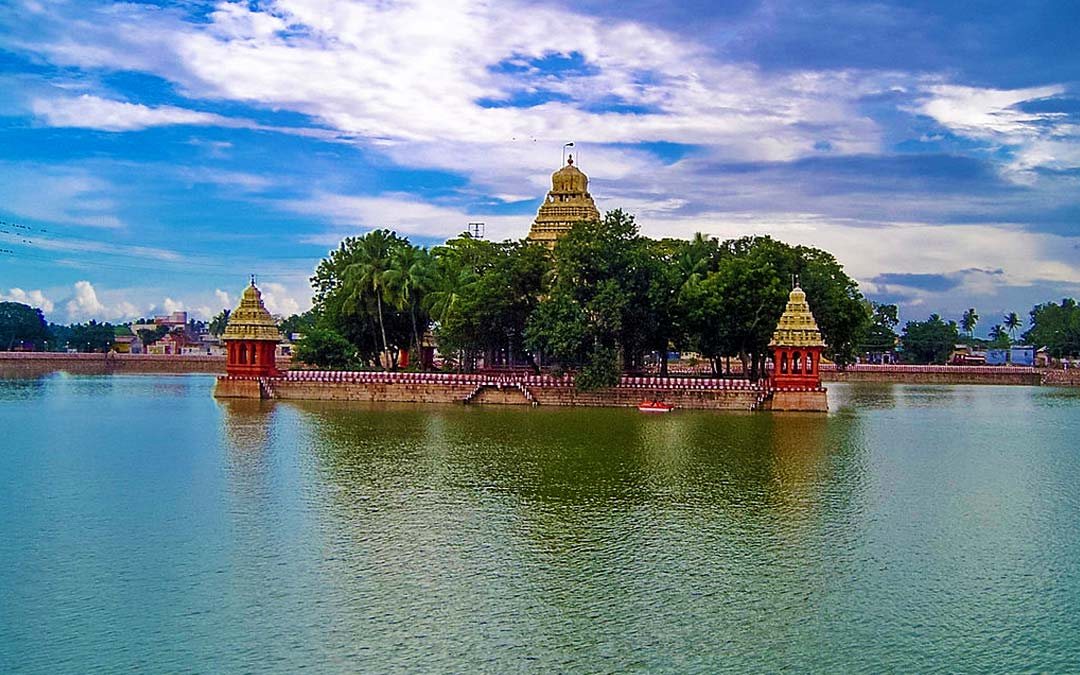
The Madurai Float Festival is one of the most remarkable celebrations in Tamil Nadu, taking place each year on the wide waters of the Vandiyur Mariamman Teppakulam. If you are travelling from Pondicherry or exploring the temple towns of the south, standing along the vast stone steps of this seventeenth-century reservoir offers a direct and memorable connection to living Tamil culture.
Known locally as the Thai Theppa Thiruvizha, the event marks a joyful day when the presiding deities leave their ancient home in the Meenakshi Amman Temple to embark on a ceremonial water journey. Here is a practical guide to help you witness the rites respectfully and comfortably.
At a glance
| When | Tamil month of Thai (mid-January to mid-February) |
|---|---|
| Duration | 12 days, with the float procession on the final day |
| Where | Vandiyur Mariamman Teppakulam, Madurai |
| Highlight | Illuminated float circling the central island pavilion |
| Dress | Modest clothing covering shoulders and knees |
| From Pondicherry | Roughly 330 to 350 km by road |
The Royal Origins and Legend of the Float
The story of the festival begins during the rule of King Thirumalai Nayak of the Madurai Nayak dynasty in the mid-seventeenth century, around 1645. While quarrying clay and soil to make bricks for the construction of his grand palace, Thirumalai Nayakkar Mahal, workers uncovered a large, seven-foot stone image of Mukuruny Vinayakar, Lord Ganesha. The monarch installed this ancient carving within the Meenakshi Amman Temple, where it remains an important centre of daily devotion.
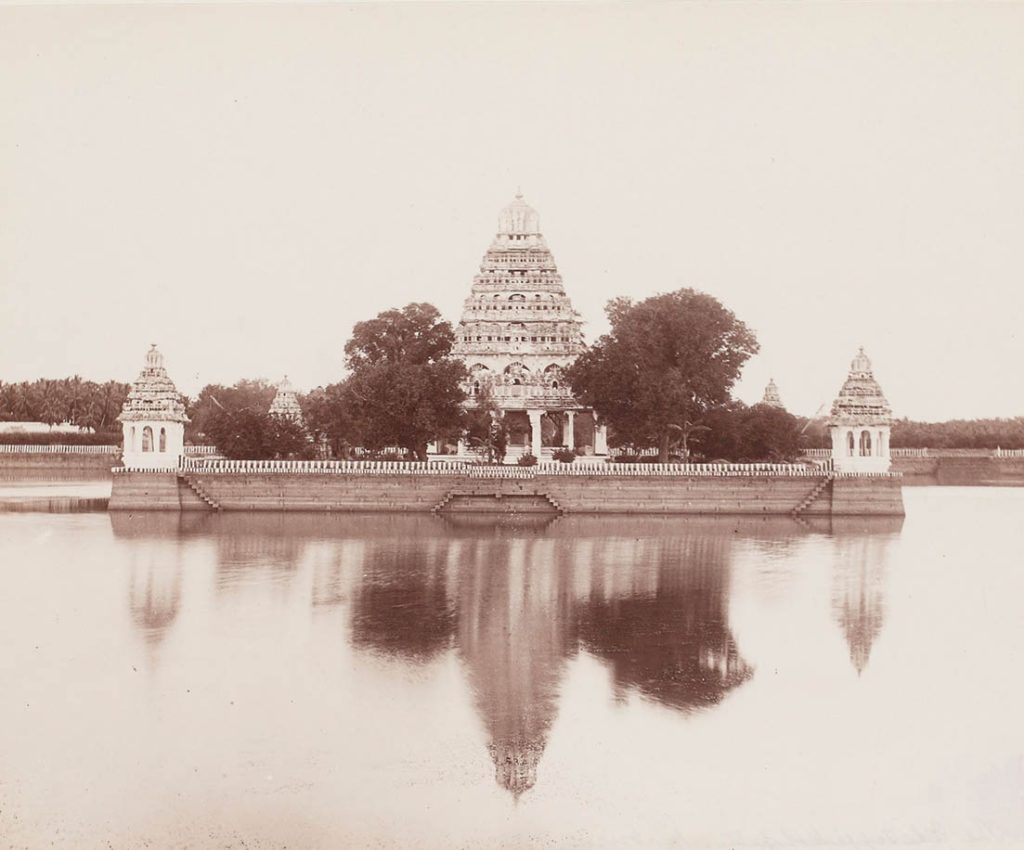
Rather than leaving behind an empty quarry, the king converted the massive excavation into a square masonry reservoir covering about sixteen acres. He constructed a central island pavilion, known as the Maiya Mandapam, surrounded by tiered granite steps and crowned with a tower. To commemorate his birthday, Thirumalai Nayak established a grand annual ceremony upon the water.
At its heart, the celebration is a divine joy ride for Goddess Meenakshi and Lord Sundareswarar. Madurai has been a continuous centre of life and literature for more than two millennia, noted in ancient Sangam works and the accounts of Megasthenes. The reservoir festival reflects this deep history, uniting civic engineering, royal heritage, and devotional tradition into a day of genuine community rejoicing.
When the Celebration Takes Place
The event takes place during the Tamil month of Thai, which generally corresponds to mid-January through mid-February on the Gregorian calendar. The climax always falls on the full moon day coinciding with the Poosam star, known as Thai Poosam or Thai Purnima. Because these observations rely on the traditional lunar calendar, exact dates shift each year and are confirmed locally by temple authorities.
Although the water rites gather the largest crowds on the twelfth day, the full festival spans a twelve-day period of preliminary rituals and daily street processions across the old quarters of Madurai.
| Festival Day | Key Event | Usual Timing |
|---|---|---|
| Days 1 to 11 | Temple ceremonies and vehicle processions | Morning and evening |
| Day 12 (Morning) | Procession to Teppakulam and first float round | Dawn to early afternoon |
| Day 12 (Evening) | Illuminated float procession and return journey | Sunset into the night |
Rituals and Sights Along the Water
The main day begins before dawn. The processional icons of Goddess Meenakshi and Lord Sundareswarar are carried out from the inner precincts of the Meenakshi Amman Temple on gleaming golden mounts. They move through the historic streets accompanied by musicians playing the nadaswaram and thavil, making their way eastward to the Sri Muktheeswarar Temple situated right next to the water tank.
At the reservoir, the deities are ceremonially moved onto the teppam, a massive raft constructed from timber platforms. It is dressed in fine silk canopies, hung with intricate garlands of fragrant jasmine and marigolds, and fitted with hundreds of lights and brass lamps. The float is not driven by an engine. Devotees take hold of thick coir ropes, walking along the stone embankments and riding on small escort boats to pull the sacred raft across the water.
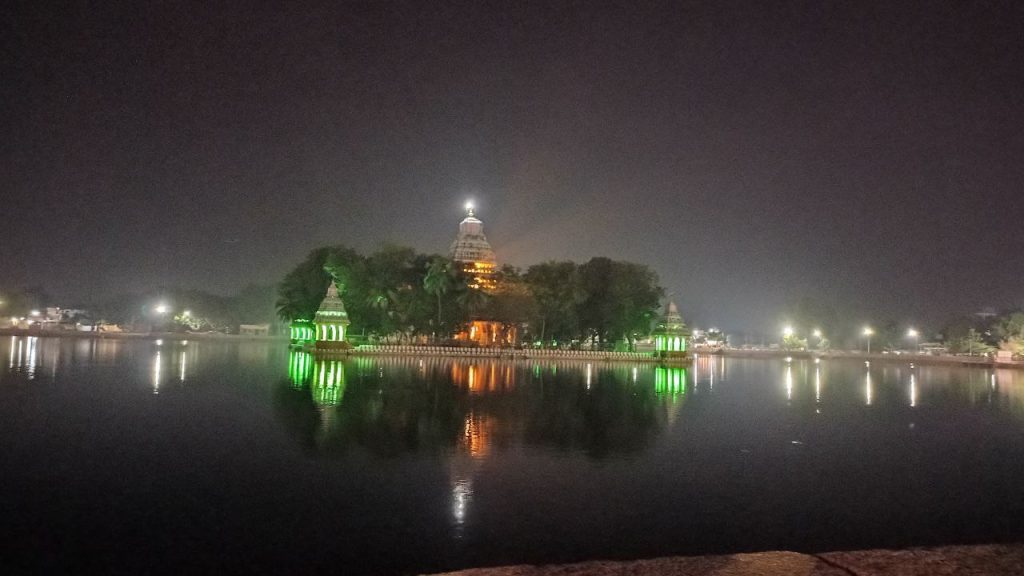
The teppam circles the central Maiya Mandapam twice: first during the bright light of the morning, and again after sunset. As darkness falls, the entire structure lights up, casting long, shimmering reflections across the sixteen-acre water body while temple bells ring and devotional chants rise from the crowd.
Best Spots to Watch and Daily Timing
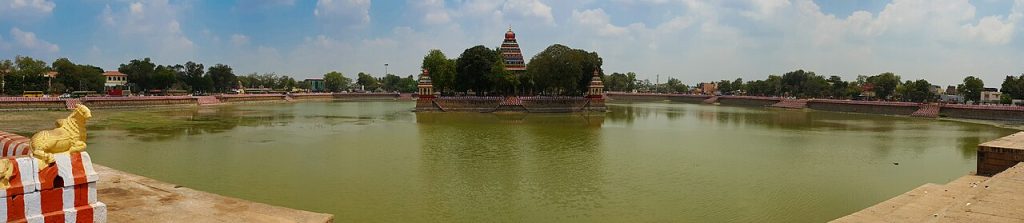
The Vandiyur Mariamman Teppakulam lies approximately four to five kilometres east of the city centre. Wide, tiered granite steps line all four sides of the reservoir, forming natural viewing galleries that offer panoramic views of the water and the central pavilion.
For the morning rituals, aim to reach the steps by seven in the morning. This allows you to watch the procession arrive from the town centre and see the icons safely board the float. The morning round usually finishes by midday, after which the deities rest at the central pavilion.
The evening round is the visual climax of the festival. Crowd numbers swell considerably from five in the afternoon onward. Securing a spot on the western or northern ghats around sunset lets you watch the lights turn on over the dark water as the float completes its final slow circuit.
Local tip: Arrive at least ninety minutes before sunset to claim a comfortable sitting space on the upper steps of the tank before local barricades restrict movement.
Etiquette, Dress, and Photography
While non-Hindus are not permitted to enter the inner sanctums of ancient temples in Madurai, the open-air float festival around the Teppakulam is completely welcoming to everyone. You are free to sit along the stone steps, watch the ceremonies, and observe the community spirit.
Dress modestly out of respect for the devotional setting. Wear clothing that covers your shoulders and knees; loose cotton pants, kurtas, or long skirts are ideal for the regional climate. If you decide to step into the Sri Muktheeswarar Temple or walk onto the inner ritual platforms, you will need to remove your footwear and leave it with an attendant on the outer street.
Photography is freely permitted along the perimeter of the reservoir and from the tiered stone ghats. You can capture wide images of the decorated raft and the central pavilion. However, maintain a considerate distance from the priests, temple attendants, and families deep in prayer. Always ask permission before taking close portraits of individuals.
Safety and Practical Tips for Visitors
Madurai can be warm even during the winter months of January and February, with direct sunshine beating down onto the unshaded stone ghats throughout the afternoon.
- Carry plenty of drinking water in a refillable bottle and wear a wide sunhat during the morning session.
- Keep footwear simple and slip-on so you can remove it quickly whenever walking near sacred spaces.
- Tens of thousands of pilgrims attend the evening float. Hold onto your belongings securely, carry cash in a safe front pocket, and avoid bringing expensive jewellery.
- If visiting with young children, keep them close at hand. The stone steps drop directly into deep water without safety railings.
- Be prepared for local police barricades on nearby roads. Hire an auto-rickshaw to drop you a short walk away rather than trying to take a private taxi right to the water’s edge.
Getting to Madurai and Where to Stay
Madurai is very well connected to the rest of southern India. The city has its own airport, Madurai Airport, situated about twelve to fifteen kilometres south of the centre, offering domestic connections to major Indian hubs. Madurai Junction railway station is located roughly five kilometres west of the reservoir, with frequent trains running to Chennai, Coimbatore, and southern towns.
If you are travelling from Pondicherry, the road distance is roughly 330 to 350 kilometres. Regular intercity buses operate along this route, taking approximately seven hours, or you can hire a private taxi to travel across the plains of central Tamil Nadu.
Because the festival coincides with Thai Poosam celebrations, hotels and guesthouses throughout the city fill up weeks in advance. It is vital to book your accommodation early, especially if you want a room within convenient transit distance of the central temple quarters or the ring road.
Exploring Madurai Beyond the Water
Madurai is widely known as Thoongaa Nagaram, which translates to the city that never sleeps. It has sustained continuous urban life along the Vaigai River for over two millennia, creating an exceptional wealth of historic architecture, classical learning, and street life that rewards taking a couple of extra days to wander beyond the festival waters.
- Visit Thirumalai Nayakkar Mahal, the seventeenth-century palace built by the same ruler who created the Teppakulam, admired for its towering stone arches and wide courtyards.
- Spend time at the ancient Koodal Azhagar Temple, dedicated to Vishnu, which is celebrated in early Sangam poems and classical Divya Prabandham verses.
- Explore the historic market lanes surrounding the Meenakshi Amman Temple to find traditional textiles and regional snacks.
- Take a short excursion of about twelve kilometres southeast of the city to Keeladi, an important archaeological excavation site revealing settlements dating back to the sixth century BCE along the Vaigai River.
What recent visitors say
A quick, honest snapshot from recent Google reviews, so you know what to expect before you go.
What people loved
“Visited Vandiyur Mariamman Teppakulam during my Tamil Nadu trip. The water view was beautiful and the whole place felt peaceful and relaxing. I enjoyed walking around, taking photos, and spending some quiet time there. A lovely place to…”
“A beautiful temple tank, where a grand flotilla will be used to circumambulate the Central mandapam during festivals. A beautiful location for spending evening on the outskirts of Madurai, which once upon a time was the water source of the…”
“Visited Vandiyur Mariamman Teppakulam and it was a calm and relaxing experience 🌊✨ The place is very spacious with a huge water tank and a beautiful mandapam at the center. It’s a nice spot to just sit and enjoy the surroundings. Evening…”
Reviews via Google Maps. Opinions are those of their authors.
Frequently asked questions
When is the next Madurai Float Festival?
The festival is celebrated every year during the Tamil month of Thai on the full moon day coinciding with the Poosam star. This generally falls between mid-January and mid-February, with the exact day confirmed locally each year by the temple administrators.
Can international and non-Hindu visitors attend the Float Festival?
Yes. While non-Hindus are not permitted into the inner sanctum of the Meenakshi Amman Temple, the open-air float ceremony around the Teppakulam reservoir is public and open to all visitors.
How long does the evening float round last?
The illuminated evening round begins around sunset and typically continues for two to three hours as devotees slowly pull the raft around the central pavilion.
Is the reservoir filled with water all year round?
Water levels depend on regional rainfall and seasonal canal supply. Local authorities make special arrangements to fill the reservoir before the festival so the timber raft can float smoothly.
Find it
Address: Vandiyur Mariamman Teppakulam, Meenakshi Nagar, Tamil Nadu 625009
You might also like
- Hotels in Madurai
- Festivals of Pondicherry and Tamil Nadu
- Visiting Vandiyur Mariamman Teppakulam in Madurai
- Harvey’s Lounge Bar Madurai: Heritage Drinks on Pasumalai
- Float Gastro Pub Pondicherry: Music, Food & Nightlife
- Things to do in Pondicherry
- Visiting Vandiyur Mariamman Teppakulam in Madurai
- Pongal and Jallikattu Madurai Guide for Travellers
- Experiencing the Mamallapuram Dance Festival by the Sea
- International Yoga Festival Pondicherry: Guide to January Events