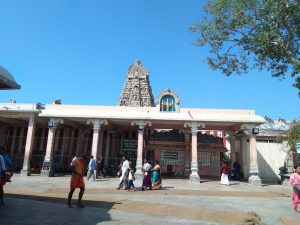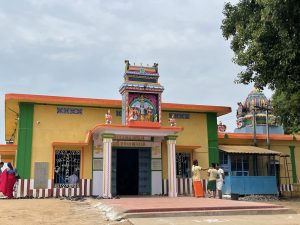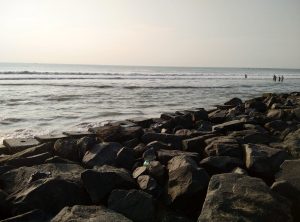
Every year, Masi Magam Pondicherry brings dozens of sacred temple deities to the seashore for a momentous ceremonial bath in the Bay of Bengal. From the early hours of the morning, quiet coastal lanes fill with the resonant calls of the nadaswaram, the thrum of the thavil, and thousands of pilgrims gathering to witness the ocean immersion.
If you are in town during this period, visiting the shores of Vaithikuppam gives you a direct look into an ancient living tradition. You can watch ornate palanquin processions move across town, receive food from community kitchens, and see local communities gather in shared celebration by the surf.
At a glance
| When | Tamil month of Masi (usually mid-February to mid-March) |
|---|---|
| Duration | Single full day |
| Where | Vaithikuppam Beach, Muthialpet, Pondicherry |
| Highlight | Theerthavari sea bath of deities and community ocean dips |
| Dress | Modest clothing covering shoulders and knees |
| From Pondicherry | Roughly 2 to 3 km north of White Town |
The Meaning and Legend Behind Masi Magam
Masi Magam is an important annual festival rooted in Hindu scriptures and regional heritage. According to traditional legends, Varuna, the god of water, once sought the assistance of Lord Vishnu to cleanse the world’s water bodies, which had become heavy with accumulated human wrongdoing. In response, Vishnu promised to step into the ocean on this specific day, sanctifying the water and wiping away the sins carried by it.
Because of this divine promise, the day is viewed as a period of profound cleansing, spiritual renewal, and liberation, known locally as moksha. Devotees believe that entering the waters alongside the temple deities cleanses personal misdeeds and resolves ancestral karma, referred to as pitru dosha. It is not simply an outward gathering, but a deep act of spiritual purification shared across generations.
When the Festival Takes Place
The festival is tied to the traditional Tamil lunar calendar. It takes place during the month of Masi, on the day when the full moon, or Pournami, coincides with the Magam asterism, known in classical astrology as Makha nakshatra. In the Gregorian calendar, this celestial alignment generally falls between mid-February and mid-March.
The seaside immersion itself is a full single-day event. To facilitate the movement of deities and accommodate the massive turnout, the government of Puducherry designates the day of Masi Magam as a local public holiday for schools and educational institutions. Early morning through the afternoon marks the peak religious gatherings along the coast.
| Time of Day | Key Festival Events |
|---|---|
| Early Morning (from dawn) | Arrival of palanquin processions carrying utsava murtis at the shoreline |
| Morning to Midday | Consecration rituals and the ceremonial bath (Theerthavari) in the ocean |
| Midday to Afternoon | Mass holy dips by devotees and free food distribution (annadhanam) |
| Late Afternoon to Evening | Beachfront community fair, street stalls, and deities returning to temples |
Local tip: Because the exact date depends on traditional panchangam calendars, dates change each year. Always verify the current year’s date with local temple announcements before finalising your travel.
What You Will See During the Day
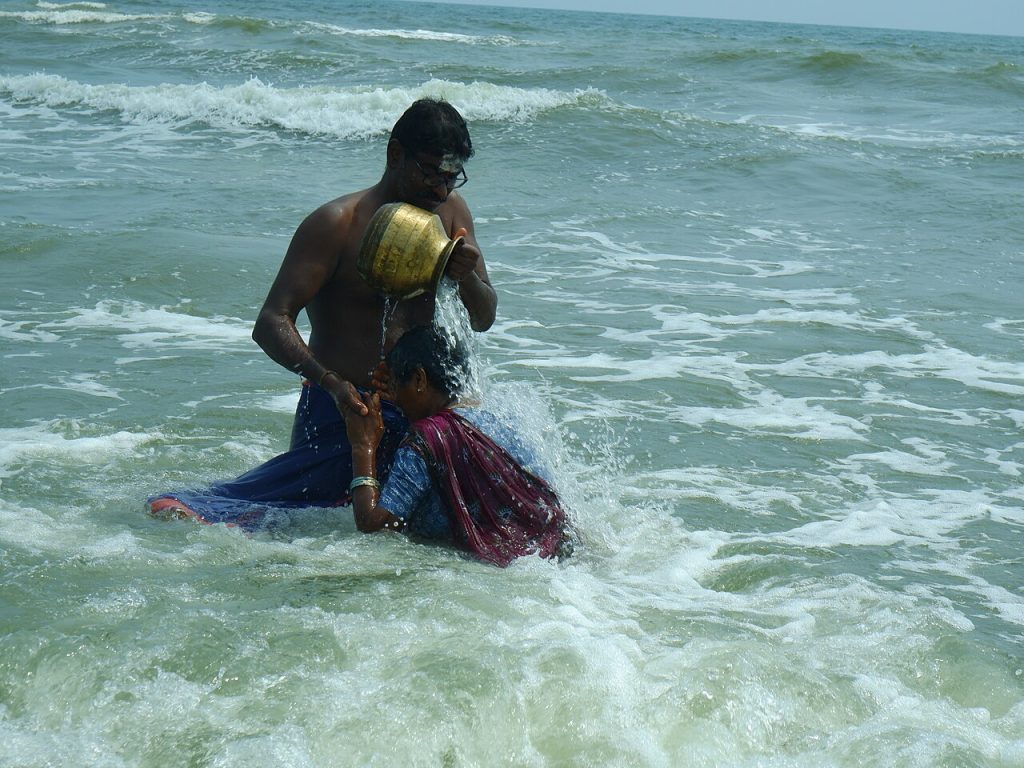
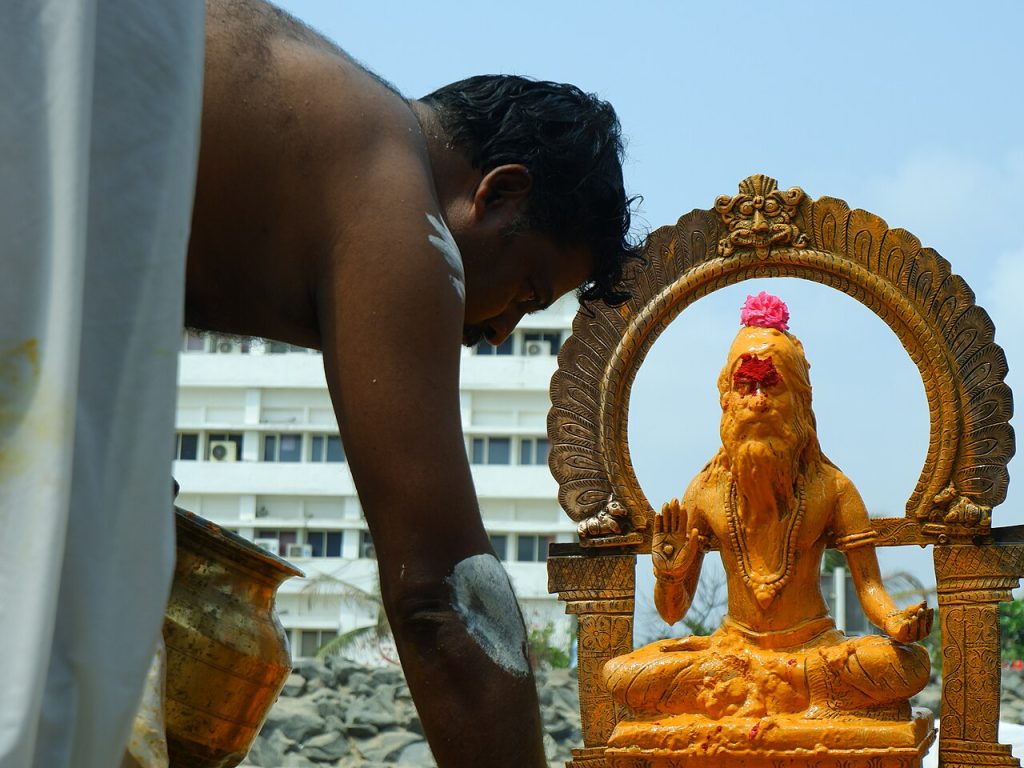
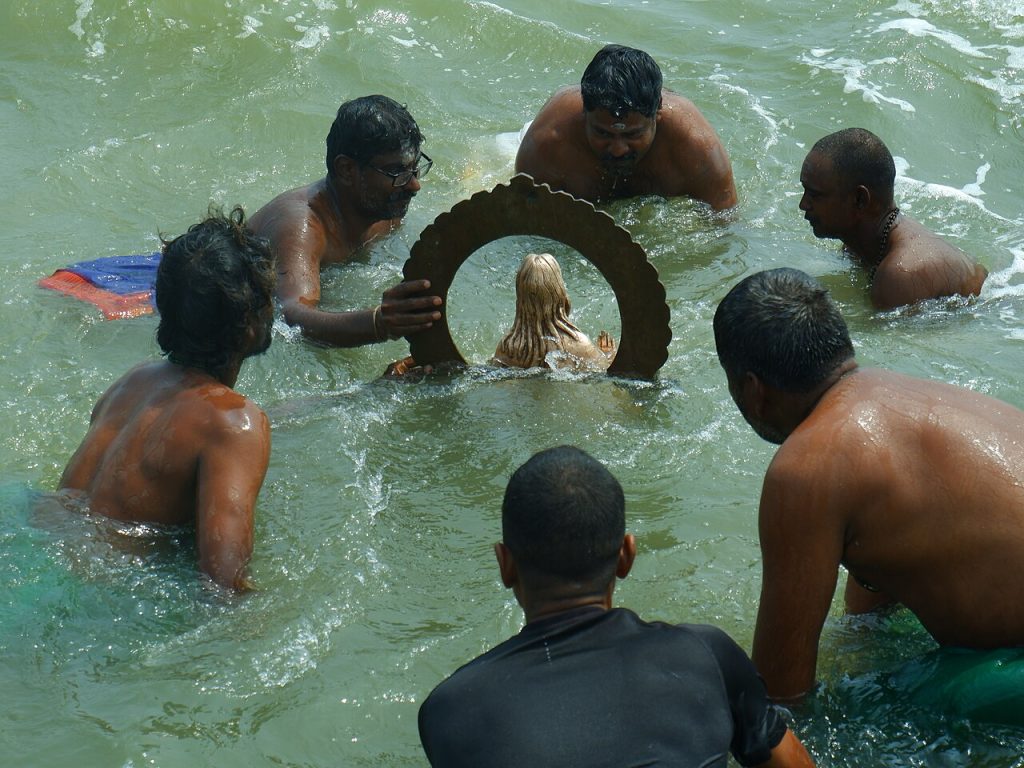
The centerpiece of the entire gathering is the Theerthavari, the ceremonial dip of the deities into the sea. Processional deities, known as utsava murtis, travel from dozens of temples across Puducherry as well as neighbouring districts in Tamil Nadu, including Cuddalore and Villupuram. They arrive on elaborately decorated palanquins and wooden mounts called vahanas, borne on the shoulders of temple bearers.
As the deities travel through the streets, they are escorted by classical temple musicians. You will hear the sharp, resonant notes of the double-reed nadaswaram accompanied by the rolling beats of the thavil drum. Once the priests perform the sacred ablution rites in the sea, thousands of waiting pilgrims surge into the surf to take their own holy bath in the consecrated water.
Away from the water’s edge, generous hospitality unfolds across the neighbourhood. Community kitchens, or annadhanam, offer free meals of cooked rice, sambar, and traditional dishes to pilgrims and passers-by. Concurrently, the beach area fills with temporary stalls selling clay pottery, regional handicrafts, simple toys, and fresh local snacks.
Where to Watch and How to Plan Your Visit
The primary gathering takes place at Vaithikuppam Beach and the adjoining Kuruchikuppam shoreline, located in the northern neighbourhood of Muthialpet. Here, temporary pandals and enclosures are erected on the sand to receive the arriving deities before they are carried into the surf.
- Vaithikuppam Shoreline: The best vantage point to witness the collective assembly of deities and the seaside rites during the morning hours.
- Muthialpet Approach Roads: The streets linking Muthialpet to the beachfront provide excellent views of the incoming palanquins and musical troupes.
- Thirukanchi Riverfront: For an alternative experience, Sri Ganga Varaha Nadeeswarar Temple in Thirukanchi hosts bathing rites on the banks of the Sankarabarani River.
To experience the event comfortably, head towards Vaithikuppam just after dawn. The roads become impassable to motorized traffic by mid-morning, so walking the final stretch from central Pondicherry or Muthialpet is often the only dependable way to reach the coast.
Etiquette, Attire, and Photography
Masi Magam is an earnest spiritual occasion, and local observers appreciate guests who approach it with consideration. Non-Hindus and curious travellers are welcome to stand along the streets and watch the shoreline ceremonies, provided they do not disrupt the rituals or crowd the priests.
Dress modestly in clothing that covers your shoulders and knees. Lightweight cottons are practical for the coastal heat. You will need to take off your footwear before stepping onto any consecrated mats, platforms, or cordoned-off temple enclosures on the beach. Wearing slip-on sandals makes this regular transition easy.
Photography is generally permitted on the public beach and along the open procession routes. However, maintain a respectful distance from the priests while they conduct inner sanctification rites, and never place yourself between the deity and the congregation during the ocean immersion.
Crowds, Safety, and Practical Advice
Because thousands of pilgrims gather on the shoreline, navigating the crowds requires common sense and steady patience. Local police establish vehicle barricades across northern Pondicherry, meaning you will need to walk significant distances on sandy or paved surfaces.
- Water Safety: The Bay of Bengal along this coast has unpredictable waves and strong rip currents. Unless you are an experienced swimmer taking a brief ritual dip near the shore, avoid venturing deep into the water, particularly when the crowd surges.
- Sun and Heat: The coastal sun becomes intense by mid-morning. Carry drinking water, wear a sun hat, and apply sunscreen before leaving your hotel.
- Belongings: Keep your mobile phone, wallet, and keys secured in a zipped bag carried close to your front, as dense crowds create opportunities for pickpockets.
- Children: If travelling with young children, hold their hands firmly at all times and place a contact slip in their pockets in case they become separated in the crowd.
Getting There and Where to Stay
Vaithikuppam Beach sits roughly 2 to 3 km north of Pondicherry’s historic White Town and the main Promenade Beach. The Puducherry Railway Station is approximately 3 to 4 km away, while Puducherry Airport is located about 5 km to the northwest. If you arrive from overseas or major domestic hubs, Chennai International Airport is roughly 145 km to the north via the scenic East Coast Road.
Pondicherry is a compact town, and walking or renting a bicycle is often the easiest way to navigate during festival days when traffic diversions block standard routes. Auto-rickshaws can drop you near the Muthialpet boundary, from where you can continue on foot towards the coast.
Local tip: Hotels across Pondicherry, especially around White Town and Muthialpet, fill up weeks in advance due to the inflow of pilgrims and regional travellers. Book your room early to secure convenient accommodation close to the centre.
Exploring Nearby Sights
After the main morning rites finish, you can easily explore nearby parts of the town. A short walk south brings you directly to the Promenade Beach and the quiet, grid-patterned streets of White Town, where you can find shaded cafes, heritage buildings, and quiet bakeries.
If you wish to explore further religious sites related to the day, consider making the short inland trip to Thirukanchi, about 10 km west of town. The ancient Sri Ganga Varaha Nadeeswarar Temple on the banks of the Sankarabarani River offers a calm freshwater counterpoint to the salt-spray energy of Vaithikuppam.
What recent visitors say
A quick, honest snapshot from recent Google reviews, so you know what to expect before you go.
What people loved
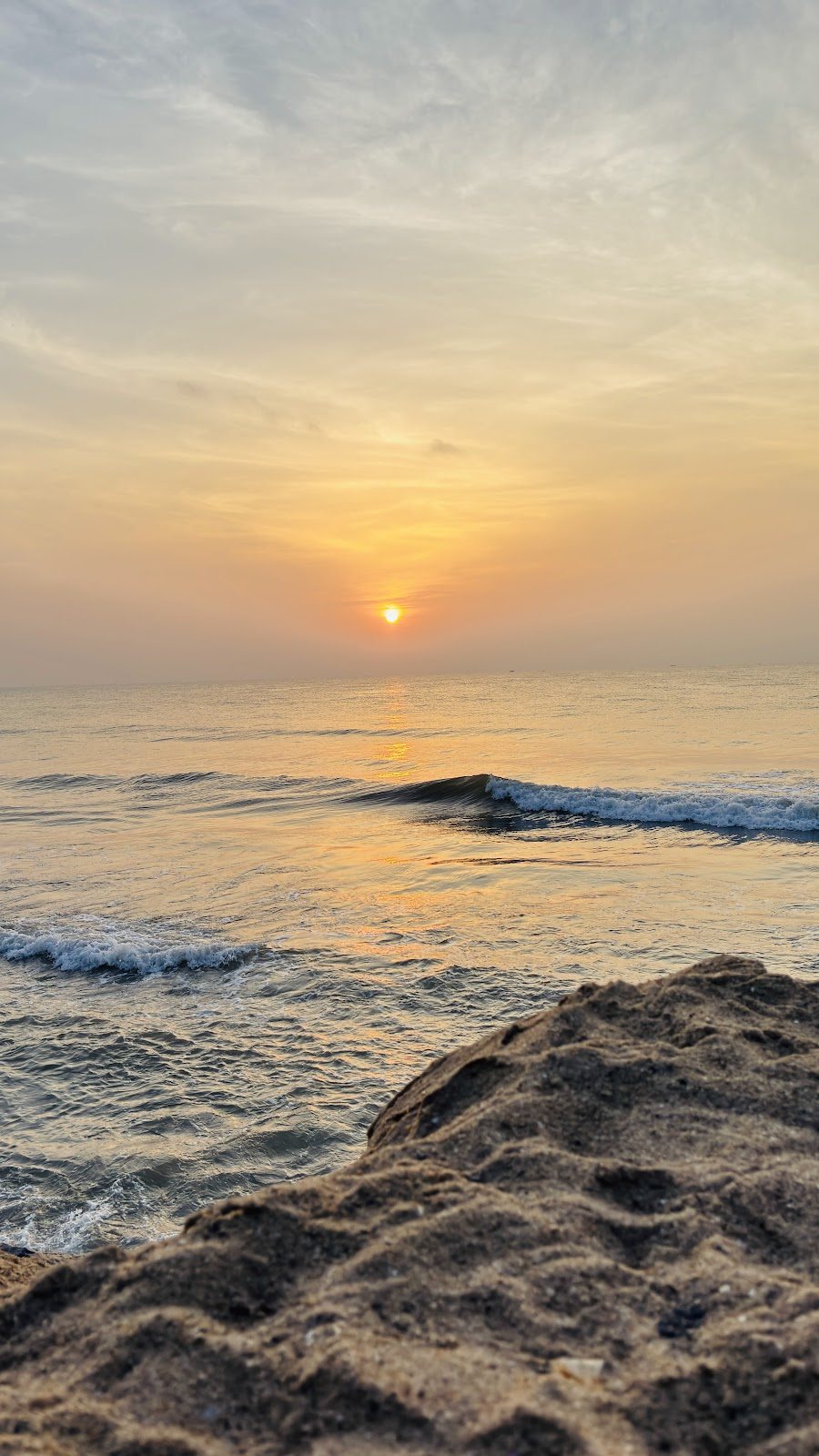
“Good point to view sunrise.”
“Beautiful but it’s fishing area. Fish market.”
Reviews via Google Maps. Opinions are those of their authors.
Frequently asked questions
When does Masi Magam take place?
It occurs annually during the Tamil month of Masi, specifically when the full moon aligns with the Magam nakshatra. In the Gregorian calendar, this falls between mid-February and mid-March, though the exact date changes every year based on lunar calendars.
Can non-Hindus attend the rituals at Vaithikuppam Beach?
Yes, non-Hindus and international visitors can freely observe the processions and the ocean bathing rites from the public beach. Everyone is expected to dress modestly and respect the priests and devotees conducting their worship.
Is it safe to bathe in the sea during the festival?
Devotees bathe near the shoreline as part of the ritual, but the sea here features strong currents and unpredictable waves. If you choose to step in, stay in shallow water and remain attentive to crowd surges and local police instructions.
How do I get to Vaithikuppam from White Town?
Vaithikuppam is located roughly 2 to 3 km north of White Town. You can reach it via a twenty to thirty minute walk along the coast or by taking an auto-rickshaw to the outer barricades near Muthialpet.
Find it
Address: WRXQ+C8C, Vaithikuppam, Puducherry, 605003, India