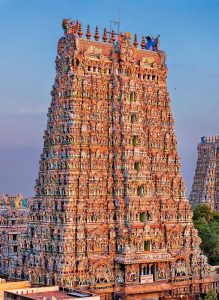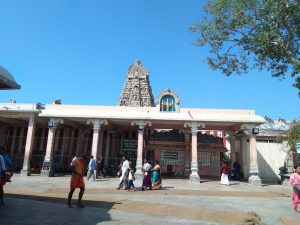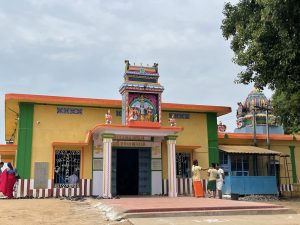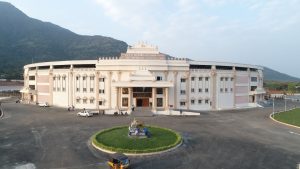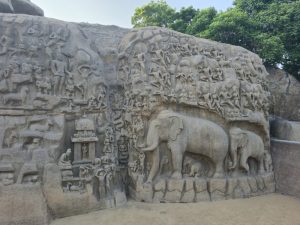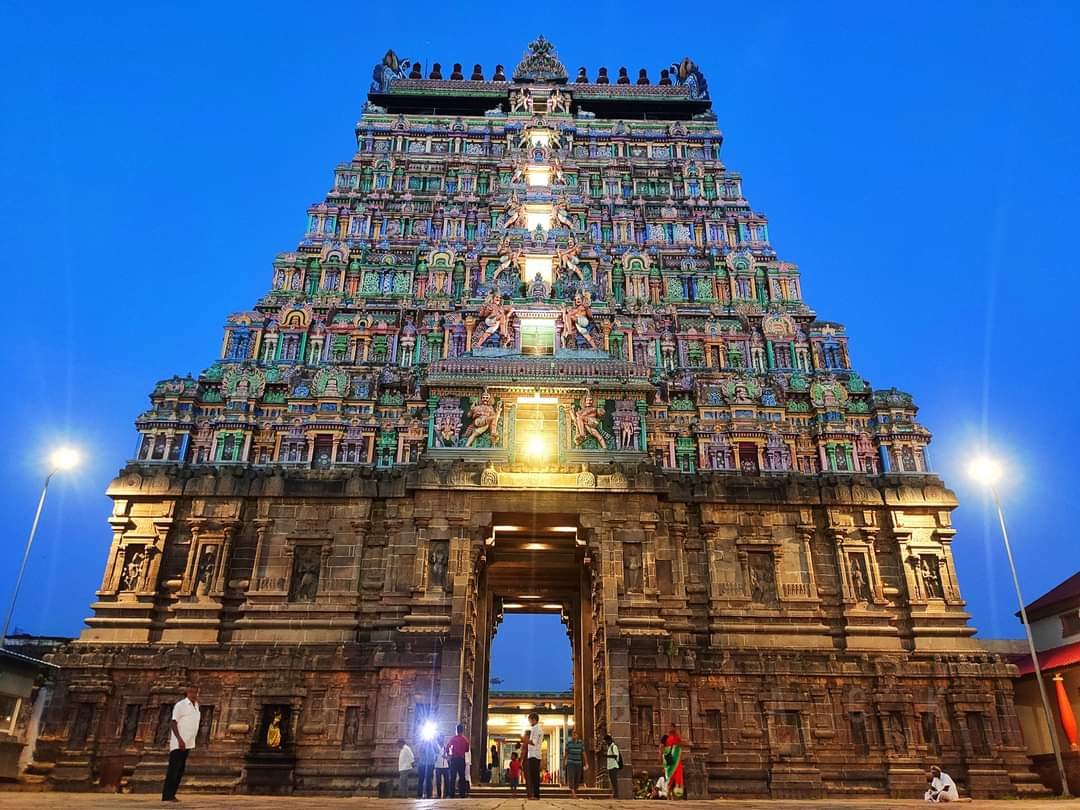
The Natyanjali Dance Festival in Chidambaram brings classical dancers, musicians, and pilgrims together for a profound spiritual celebration. Set against the granite towers of the twelfth-century Thillai Nataraja Temple, this long-running gathering treats classical Indian dance not as a stage show for entertainment, but as an act of prayer. If you travel down from Pondicherry during the festival period, you will find a town dedicated to art, devotion, and community hospitality.
Watching world-class dancers offer their work on the temple grounds alongside traditional temple rituals is an exceptional cultural experience. Because this is a living temple event attended by tens of thousands of local worshippers, planning your trip with care and respect makes all the difference. This guide shares the practical details you need on timings, temple traditions, travel arrangements, and comfortable viewing.
At a glance
| When | Tamil month of Masi (usually February to March) |
|---|---|
| Duration | Typically runs for 5 continuous evenings |
| Where | Thillai Nataraja Temple and South Car Street, Chidambaram |
| Highlight | All-night classical dance performances on Maha Shivaratri |
| Dress | Modest traditional attire; dhotis, kurtas, sarees, or salwar suits |
| From Pondicherry | roughly 65 to 70 km south by road |
Sacred Dance as an Offering to Nataraja
The name Natyanjali combines two Sanskrit words: natya, meaning dance, and anjali, meaning a reverent offering. The festival honors Lord Shiva in his anthropomorphic form as Nataraja, the Cosmic Dancer. According to regional legend, Chidambaram is the sacred place where Shiva performed the Ananda Tandava, or the cosmic dance of bliss, in the presence of the sages Patanjali and Vyaghrapada within the golden hall known as the Kanaka Sabha.
This tradition began in 1981, when the Chidambaram Natyanjali Trust and local cultural patrons sought to revive classical sacred dance as an act of direct temple worship. Over the decades, it grew from a modest local gathering into an event recognized across India. Today, the festival is organized through collaborative efforts between the Department of Tourism of Tamil Nadu and the Natyanjali Trust, with related editions taking place across Tamil Nadu, at several Murugan temples, and even in Mumbai.
Festival Dates and the Annual Calendar
Because the festival follows the traditional Hindu lunar calendar, its dates shift every year on the Gregorian calendar. The celebration always commences on the night of Maha Shivaratri, which falls on Krishna Paksha Chaturdashi, the fourteenth day of the waning moon in the Tamil month of Masi. In the western calendar, this window corresponds to late February or early March.
The festival typically runs for five continuous evenings, though extended schedules lasting up to thirteen days can occur depending on the specific program line-up. The opening night is the emotional peak of the entire event, featuring performances that run past midnight until dawn. The Chidambaram Natyanjali Trust lists its forty-sixth edition for the first week of March 2027, though exact dates are confirmed locally each year. Always verify the schedule closer to your visit.
| Festival Phase | Schedule & Highlights |
|---|---|
| Opening Night | Begins on Maha Shivaratri with all-night performances until dawn |
| Subsequent Evenings | Performances each evening from roughly 6:00 PM to late night |
| Festival Duration | Typically five continuous evenings of multi-style classical recitals |
What You Will Experience: Dances and Temple Rites
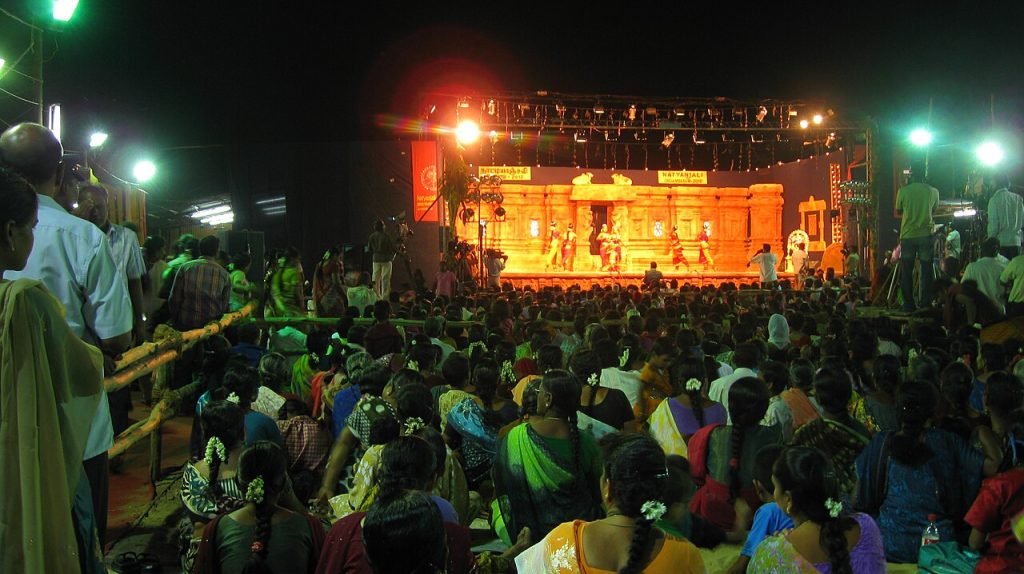
During the festival evenings, the air around the temple fills with the sound of bronze ankle bells, classical vocalists, the resonance of the mridangam, and the melodic strains of the veena. Dancers travel from across the country to present their art before the deity. You can witness a rich variety of classical Indian dance forms, including:
- Bharatanatyam, the indigenous classical dance tradition of Tamil Nadu
- Kuchipudi, featuring expressive storytelling and rhythmic footwork
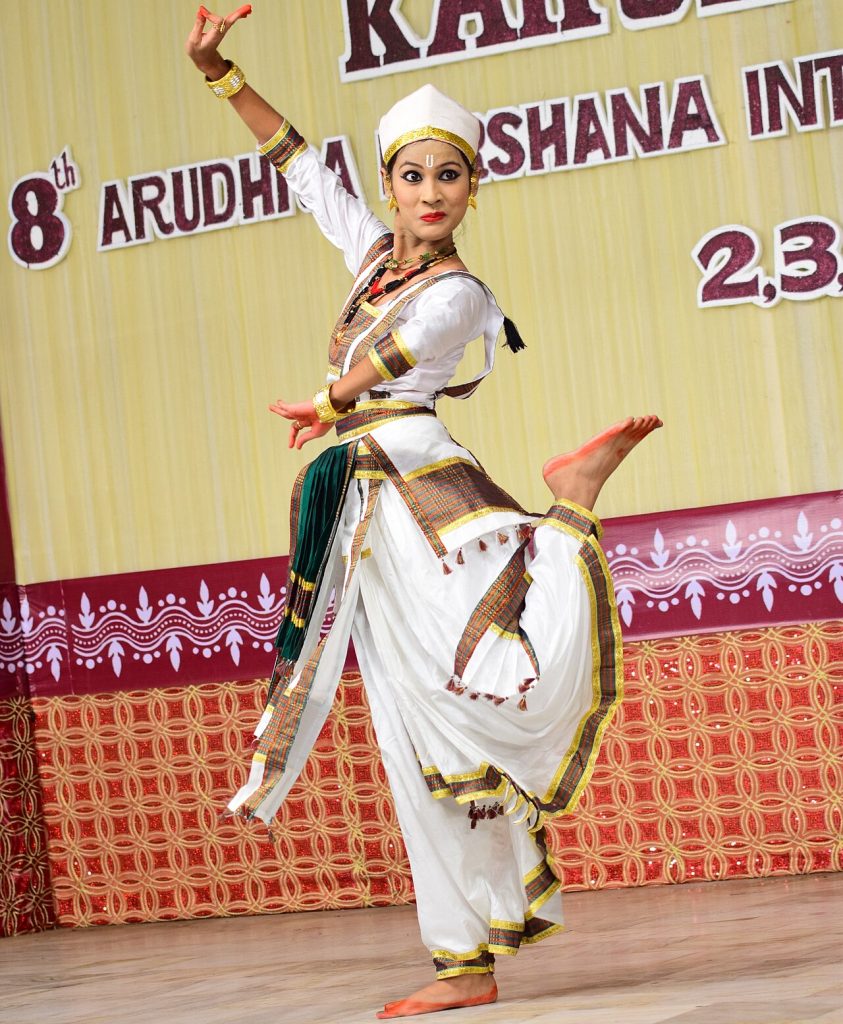
- Mohiniyattam, the graceful classical dance of Kerala
- Kathak, Odissi, and Gaudiya Nritya presented by skilled soloists and troupes
Inside the sanctum sanctorum during Shivaratri, the temple priests carry out four major nocturnal kala pujas. Devotees gather to witness the sacred abhishekam, the ceremonial bathing of the Spatika Lingam, or crystal lingam, alongside the waving of ceremonial oil lamps during Deeparadhana. The atmosphere reverberates with recitations of ancient Vedic chants and Shaivite Thevaram hymns recited by hereditary priests.
Viewing Locations and Daily Planning
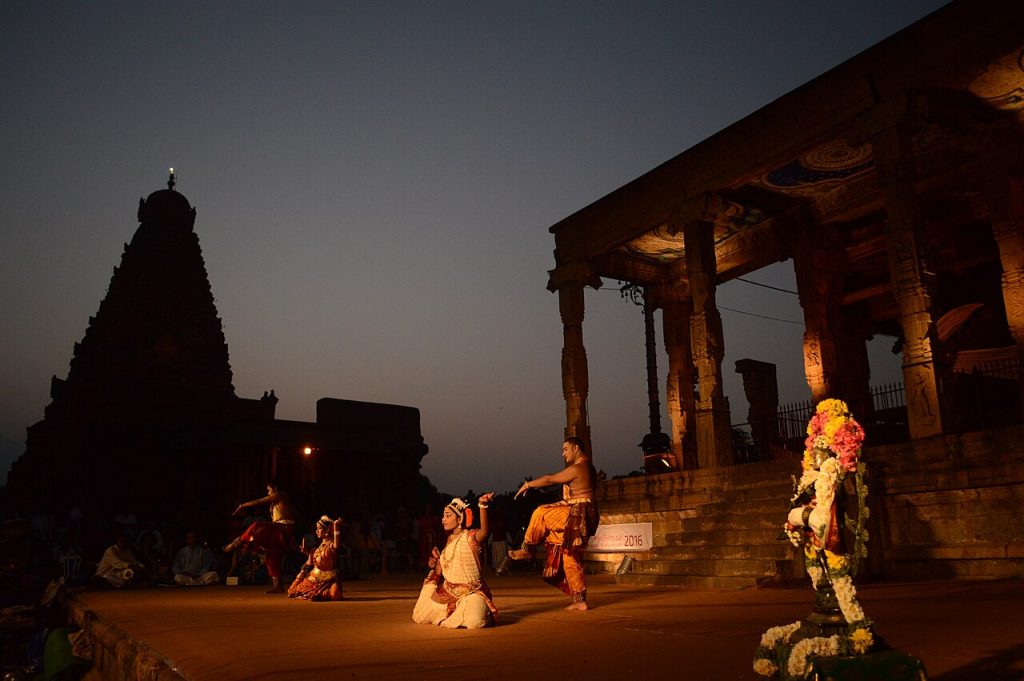
Performances traditionally take place within the open prakaram, or outer stone corridors, of the ancient Thillai Nataraja Temple. Additional large stages are also set up nearby at the Rajah Sir Annamalai Chettiar Trust premises on South Car Street. One of the most remarkable aspects of watching the dances here is seeing the artists perform before the towering stone gopurams, which are carved with the 108 karanas, the fundamental dance postures recorded in the Natya Shastra.
The grounds begin to fill rapidly by late afternoon, especially on the first night of the festival. If you wish to sit near the front of the stage to appreciate the subtle hand gestures and facial expressions of the performers, plan to arrive before 5:30 PM. Seating is generally on mats laid out on the stone floor or on temporary chairs arranged in the open courtyards.
Local tip: Senior dance gurus and leading exponents often perform on Shivaratri night. If you want to see veteran artists, plan your schedule around the all-night vigil of that opening evening.
Dress Code, Entry Rules, and Photography
The Thillai Nataraja Temple is an active place of orthodox worship, and visitors must dress conservatively. Men should wear dhotis, traditional veshtis, or kurtas paired with trousers. Women should wear sarees, salwar kameez, or modest ankle-length skirts paired with covered tops. Shorts, sleeveless shirts, and brief western attire are strictly forbidden on the temple premises.
Non-Hindus are welcome to attend the dance performances in the public festival enclosures and wander through the temple’s outer courtyards. However, entry to the innermost sanctum, known as the Chit Sabha, is restricted to practicing Hindus. Be respectful of these long-standing boundaries as you walk through the temple complex.
Photography rules are rigorously enforced. While you are generally permitted to photograph public dance stages outside, cameras and mobile phone photography are strictly prohibited within the temple’s inner sanctum. Always check local notices before taking pictures, and never photograph worshippers engaged in quiet personal prayer.
Practical Advice for Crowds and Comfort
Tens of thousands of visitors arrive in Chidambaram for Shivaratri, causing narrow approach roads and bazaar lanes around the temple car streets to become heavily congested. Moving through the dense crowd requires patience and situational awareness. Keep personal belongings, wallets, and mobile phones secured in zipped bags, as crowded festive venues can occasionally attract pickpockets.
Like all Hindu temples, you must remove all footwear before stepping onto the temple grounds. Dedicated footwear stalls are set up along the outer streets where you can deposit your sandals for a small fee. Remember which gate you entered so you can find your shoes easily at the end of the night. If you are travelling with children, keep them close at hand and agree on an easily recognizable landmark in case you are separated in the crowd.
Even during the cooler late-winter months of February and March, the afternoon heat can be noticeable, and the stone flagstones absorb warmth throughout the day. Carry bottled drinking water to stay hydrated through long sitting sessions, and bring a light cotton stole or shawl to sit on or drape over your shoulders as temperatures cool down late at night.
Travel Routes and Booking Accommodation
Chidambaram is situated roughly 65 to 70 km south of Pondicherry. Driving down along National Highway 32 takes about 1.5 to 2 hours, making it an easy day trip or an overnight journey. If you travel by train, Chidambaram Railway Station is located about 2 km from the temple gates. For regional flights, Puducherry Airport is roughly 65 km away, Tiruchirappalli International Airport is about 165 km away, and Chennai International Airport is roughly 215 km to the north.
Accommodation in Chidambaram is modest and fills up very quickly for Shivaratri. Pilgrim lodges and small local hotels close to the car streets are often booked months ahead of time. You must book early to secure a room in town. Alternatively, you can hire a private taxi from Pondicherry, watch the evening performances, and return to Pondicherry in the early hours of the morning.
Local tip: If you drive from Pondicherry, park your vehicle on the outskirts of the town centre. Narrow lanes around the car streets are closed to private cars during festival nights to let pedestrian processions move freely.
Regional Connections and Extended Travel
Visiting the Natyanjali festival offers a natural complement to other winter celebrations in the wider region. Travellers interested in Indian classical dance often pair a trip to Chidambaram with the coastal Mamallapuram Dance Festival, which takes place earlier in the winter season just north of Pondicherry. Both events highlight classical arts, yet Natyanjali offers the distinct atmosphere of living temple worship rather than a coastal open-air showcase.
Take some time during your stay to explore the town’s local culinary traditions. The small vegetarian eateries situated around the car streets serve traditional south Indian meals on banana leaves, freshly fried vadas, and strong filter coffee. Experiencing the peaceful rhythm of the temple during the morning hours, followed by the grandeur of the evening dance recitals, gives you a well-rounded picture of Tamil cultural life.
What recent visitors say
A quick, honest snapshot from recent Google reviews, so you know what to expect before you go.
What people loved
“You must visit this place.. Beautifully designed worship place.. One of the biggest temples in India.. Lord Nataraj temple, lord Venkateshwara temple, goddess Lakshmi Temple, Kartik swami temple and many more in one campus.. Sit with your…”
“I visited Thillai Nataraja Temple in Chidambaram and had a truly enriching spiritual experience. The temple is renowned for its magnificent architecture, rich history, and deep religious significance. The intricate carvings, towering…”
“Thillai Nataraja Temple in Chidambaram is one of the most revered temples dedicated to Lord Shiva in his cosmic dancer form, Nataraja. The temple is renowned for its magnificent Dravidian architecture and rich spiritual heritage. Thousands…”
Reviews via Google Maps. Opinions are those of their authors.
Frequently asked questions
When does the Natyanjali Dance Festival take place?
The festival takes place annually during the Tamil month of Masi, which corresponds to February or March. It starts on the night of Maha Shivaratri. Because the festival follows the lunar calendar, the exact dates move each year and are confirmed locally by the Natyanjali Trust.
Can foreign or non-Hindu visitors attend the performances?
Yes, non-Hindu visitors are welcome to watch the dance recitals in the public enclosures and outer temple prakaram. However, access to the innermost sanctum, the Chit Sabha, is reserved strictly for practicing Hindus.
What is the expected dress code for the festival?
Modest traditional dress is required to enter the temple precincts. Men should wear dhotis or kurtas with trousers, while women should wear sarees, salwar kameez, or long skirts with shoulders covered. Shorts and revealing clothing are not permitted.
How can I travel to Chidambaram from Pondicherry?
Chidambaram is located roughly 65 to 70 km south of Pondicherry via NH 32. The drive takes about 1.5 to 2 hours by private car, taxi, or regional bus.
Find it
Address: Chidambaram, Tamil Nadu 608001, India
You might also like
- Where to stay in Pondicherry
- Festivals of Pondicherry and Tamil Nadu
- Visiting Thillai Nataraja Temple in Chidambaram
- Amity Sky Pondicherry: Rooftop Cocktails and Dance Nights
- A Night at Hoppers Bar Pondicherry: Music, Dance and Drinks
- Things to do in Pondicherry
- Guide to Arudra Darshan Chidambaram: Rituals and Tips
- Experiencing the Mamallapuram Dance Festival by the Sea
- Visiting Azhagar Temple: A Travel and Pilgrim Guide