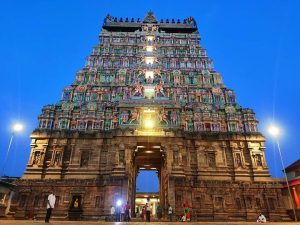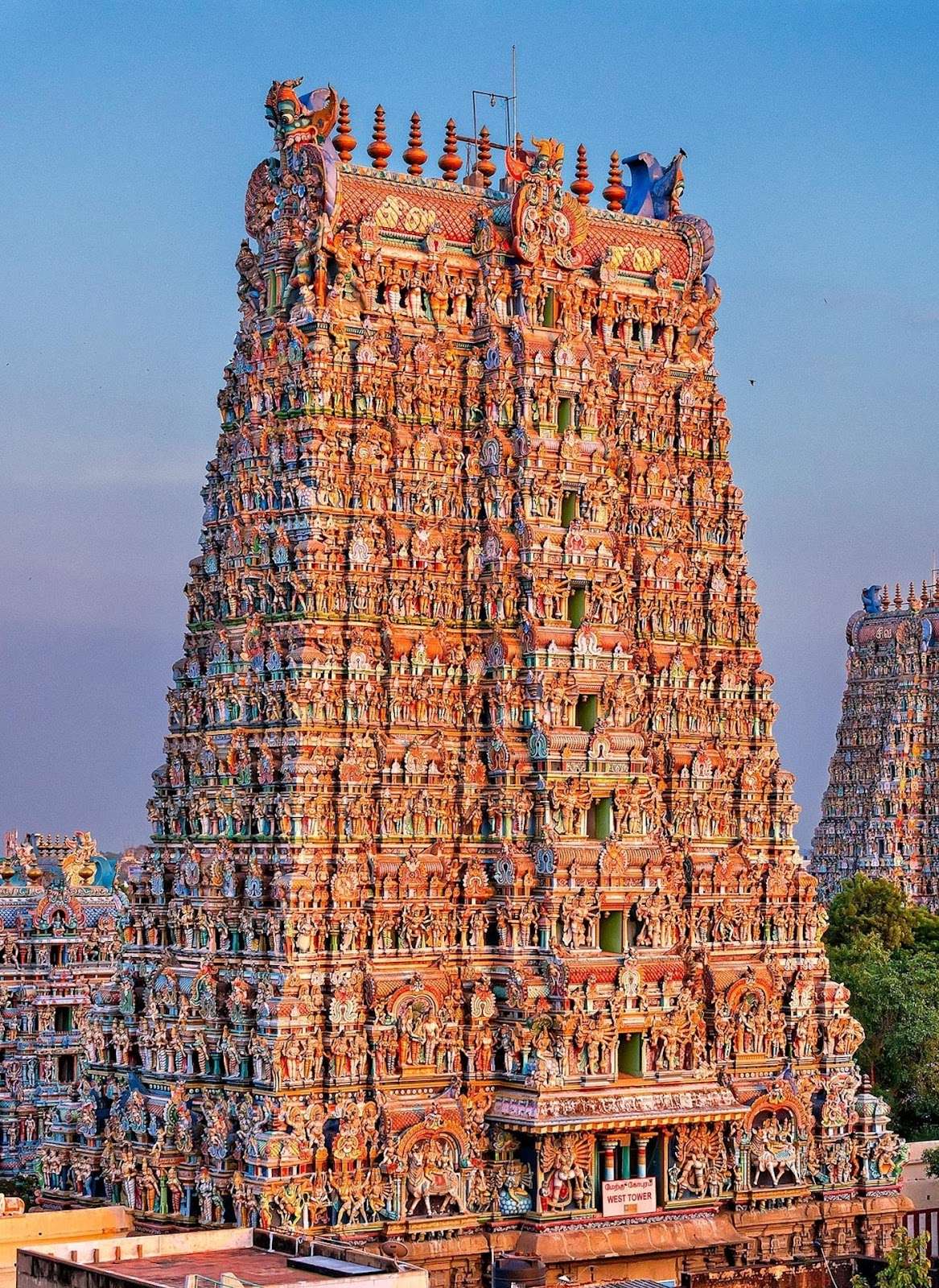
Attending Chithirai Thiruvizha Madurai allows you to witness one of south India’s most significant religious gatherings. Held in the historic city of Madurai, this grand celebration fills the roads with continuous processions, music, and shared devotion. It is a living tradition where local families, temple priests, and pilgrims from across Tamil Nadu come together.
The festival brings together two separate traditions into one shared celebration: the divine wedding of Goddess Meenakshi and Lord Sundareswarar, and the river journey of Lord Kallazhagar. If you are travelling from Pondicherry or further afield, planning your trip ahead will help you navigate the gatherings with ease.
At a glance
| When | Tamil month of Chithirai, usually mid-April to May |
|---|---|
| Duration | Roughly 12 to 15 days for main events (celebrated across a full month) |
| Where | Meenakshi Amman Temple and the Vaigai River, Madurai |
| Highlight | Meenakshi Kalyanam and Lord Kallazhagar entering the Vaigai River |
| Dress | Modest traditional attire; dhotis or trousers for men, sarees or salwar suits for women |
| From Pondicherry | Roughly 330 to 340 km by road (about 6 to 7 hours) |
The Story and Meaning of the Celebrations
The festival is anchored by two cherished stories. The first tells of Goddess Meenakshi, born from a sacred sacrificial fire to the Pandya ruler Malayadhvaja Pandyan and queen Kanchana Malai. Born with three breasts, she was destined to lose the third upon meeting her future husband. Trained in warfare, she ruled the kingdom and led military expeditions across all lands, reaching Mount Kailasha. When she confronted Shiva on the battlefield, her third breast fell away, revealing her divine identity as Parvati. Shiva promised to travel to Madurai, where he married her as Sundareshvara and ruled the land under the royal name Sundara Pandyan.
The second tradition belongs to Lord Kallazhagar, a form of Vishnu worshipped at Alagar Koyil in the Alagar Hills. The sage Manduka had been cursed by the short-tempered sage Durvasa to live as a frog in the Vaigai River. Kallazhagar travelled to the river to free Manduka from the curse, revealing all ten of his avatars. Kallazhagar was also invited to Madurai for his sister Meenakshi’s wedding, travelling twenty kilometres disguised as a robber through thick forests. Delayed along the road, he arrived at the Vaigai only to learn the wedding had already taken place. Sundareshvara and Meenakshi met him at a mandapam in the middle of the river, where he presented his wedding gifts before turning back towards Alagar Hills.
Historically, the wedding rites were conducted during the Tamil month of Masi by Shaiva devotees, while Vaishnava devotees observed Kallazhagar’s festival during Chithirai. In the seventeenth century, King Tirumala Nayaka united both events into a single festival in the month of Chithirai. He also moved Kallazhagar’s river crossing from the village of Thenur directly to Madurai, creating a united civic celebration that dissolved sectarian boundaries.
Festival Dates and Key Days
Chithirai Thiruvizha takes place during the Tamil month of Chithirai, which falls between mid-April and May. The schedule follows the lunar calendar and aligns with the waxing moon, culminating around Chitra Pournami, the full moon day. Because lunar timings change from year to year, exact dates are confirmed locally by temple authorities using the Tamil Panchangam.
The festival spans about twelve to fifteen core days. The first half focuses on Meenakshi Amman Temple, while the second half follows Lord Kallazhagar’s arrival at the Vaigai River.
| Day | Event | Significance |
|---|---|---|
| Day 1 | Kodi Yetram | Flag hoisting on the temple flag pole to open the festival |
| Day 8 | Pattabhishekam | Coronation of Meenakshi as the queen of Madurai |
| Day 9 | Digvijayam | Enactment of Meenakshi’s conquests across all directions |
| Day 10 | Meenakshi Kalyanam | The celestial wedding of Meenakshi and Sundareshvara |
| Day 11 | Ther Thiruvizha | Large wooden chariot procession around the Masi streets |
| Day 13 | Ethir Sevai | Welcoming ceremony for Lord Kallazhagar outside the city |
| Day 14 | Alagar Vaigai Yeluntarulutal | Kallazhagar enters the Vaigai River on a golden horse |
| Final Day | Devendra Puja | Concluding prayers in honour of Indra at the Meenakshi Temple |
What You Will See and Hear
Madurai remains awake around the clock during the celebrations. On the morning of Meenakshi Kalyanam, worshippers bathe early, wear fresh clothes, and assemble at the temple. Nearly fifty priests conduct the marriage rituals, adorning the deities with silk garments and fragrant floral garlands. Sacred ash is applied by worshippers as hymns are sung. Following the ceremony, the divine images are carried along the streets in the Pushpa Pallakku, a flower palanquin, and on the Yanai Vahanam, an elephant mount.
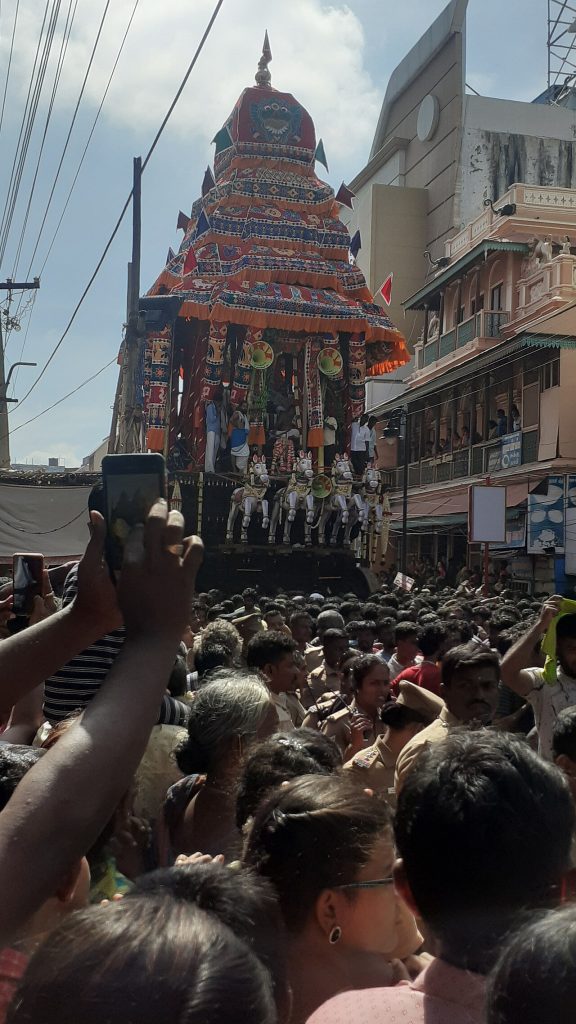
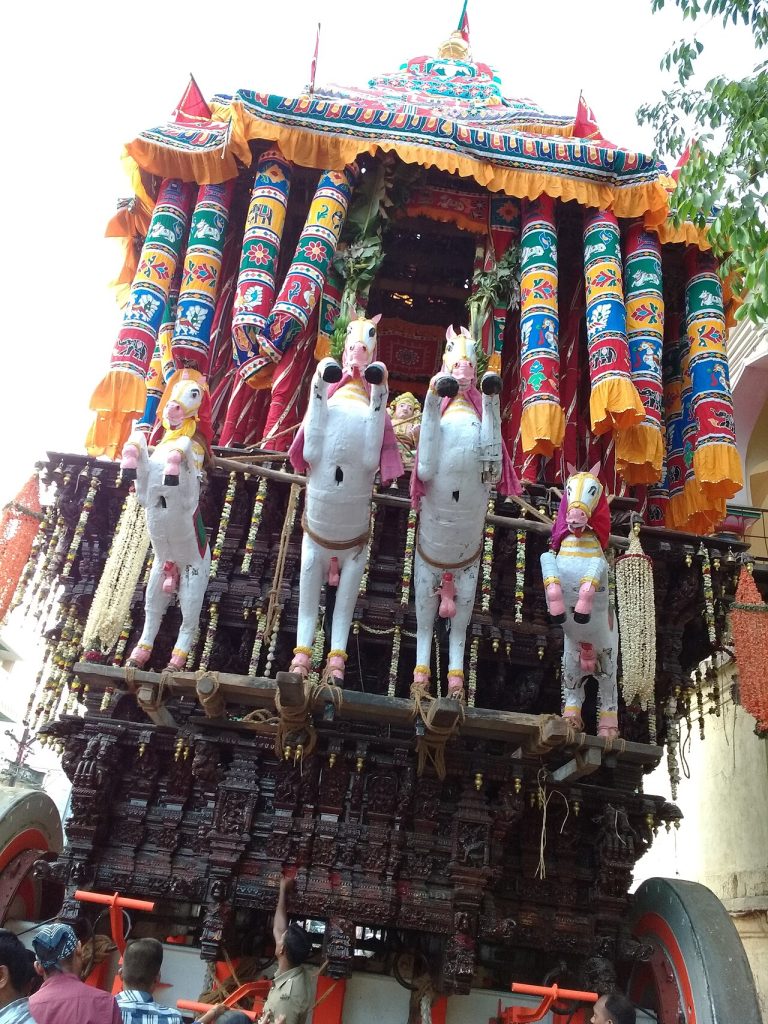
The next morning brings the chariot procession, known as Ther Thiruvizha. Devotees pull massive, multi-tiered wooden temple chariots through the wide Masi streets by hand. The rhythmic sounds of nadaswaram pipes and thavil drums echo through the air as thousands take hold of the heavy ropes.
For Alagar Vaigai Yeluntarulutal, the scene moves to the riverbed. Devotees dress in yellow and red garments, carrying traditional skin pouches filled with perfumed water. They spray this water into the air and towards the deity to offer relief under the summer sun. Neighborhood groups organise annadhanam, handing out free meals, drinking water, and spiced buttermilk to passersby throughout the day.
Local tip: Accept the cold buttermilk offered at roadside relief stations. It keeps you refreshed and is distributed with genuine warmth.
Where to Watch and How to Plan Your Day
With over one million devotees attending the primary days, choosing your observation spots ahead of time is very helpful. For events like Kodi Yetram, Pattabhishekam, and the wedding ceremony, activities are based at Meenakshi Amman Temple. Entry to the inner areas on wedding day involves long lines starting well before sunrise, and access to the main wedding hall is restricted to practicing Hindus.
The chariot procession is open to everyone and best viewed from the Masi streets encircling the temple complex. Finding a position under a shop awning on North Masi Street or East Masi Street by seven in the morning gives you an unobstructed view of the wooden cars making their slow turns.
To watch Lord Kallazhagar enter the river, head towards the Albert Victor Bridge or the riverbanks near Goripalayam and Madhichiyam. The riverbed fills with crowds before first light. Standing on the elevated roads leading to the bridge offers an expansive vantage, but you should arrive well before dawn before security personnel close access points to vehicle traffic.
Temple Etiquette, What to Wear, and Photography
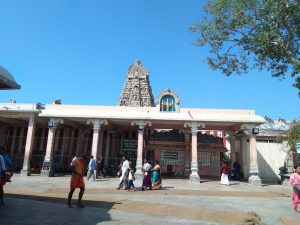
Modest clothing is required when entering Meenakshi Amman Temple and surrounding shrines. Men should wear dhotis, veshtis, or full-length trousers paired with a shirt. Shorts and sleeveless tops are strictly disallowed. Women should wear sarees, half-sarees, or salwar kameez. Western casual wear like short skirts, three-quarter pants, or sleeveless shirts will prevent entry at the temple towers.
Footwear must be taken off before stepping into the temple compound or along the chariot route. Shoe counters operate near the temple gates, though locating your pair amid thousands of shoes takes time. Many visitors prefer leaving their footwear at their hotel and walking in socks.
Photography rules are strictly enforced. Mobile phones and cameras are banned inside the Meenakshi Amman Temple compound. However, photography is permitted along the public streets during chariot runs and at the Vaigai River. Always ask politely before taking close portraits of devotees or priests.
Crowds, Safety, and Summer Heat
Madurai experiences high summer temperatures during April and May, often exceeding 38 degrees Celsius. Carry a bottle of water, wear a wide cotton hat, and drink fluids frequently to stay hydrated throughout the day.
Given the size of the crowds, keep your wallet and phone in a secure pouch worn close to your body. Crowded points near the chariot turns and riverbanks can experience sudden movements. If you are travelling with young children or elderly companions, avoid the densest sections of the riverbed and watch the processions from quieter side streets.
City traffic is redirected during key festival days, and auto-rickshaws cannot reach the inner temple streets. Be prepared for substantial walking on warm pavement. Carrying an extra pair of thick cotton socks will protect your feet from hot stone surfaces around the temple perimeter.
Getting There and Where to Stay
Madurai is easy to reach by air, rail, and road. Madurai Airport is located about 12 km from the city centre, with regular connections to major southern cities. Madurai Junction railway station has frequent daily express trains from Chennai, Tiruchirappalli, and Bangalore.
From Pondicherry, the road journey covers roughly 330 to 340 km. Driving by car or taking a direct government bus takes about 6 to 7 hours, travelling via Villupuram and Tiruchirappalli. Setting out early in the morning lets you avoid peak midday highway traffic.
Hotels in Madurai book out weeks ahead for the primary festival dates. Rooms near Town Hall Road and West Perumal Maistry Street are especially popular due to their walking proximity to the temple. Secure your hotel reservation well in advance to guarantee a stay near the centre.
Exploring More Around Madurai
While visiting for the festival, consider exploring other historical landmarks in the city. The seventeenth-century Thirumalai Nayakkar Mahal stands a short drive from the main temple, featuring massive pillars and arches constructed by the ruler who unified the Chithirai celebrations.
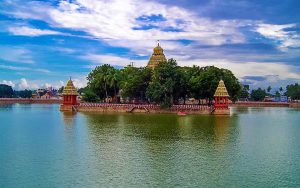
Another notable landmark is the Vandiyur Mariamman Teppakulam, a large temple tank associated with the Madurai Float Festival held earlier in the year. The open reservoir and its central pavilion make for a calm evening walk after the energy of the inner city.
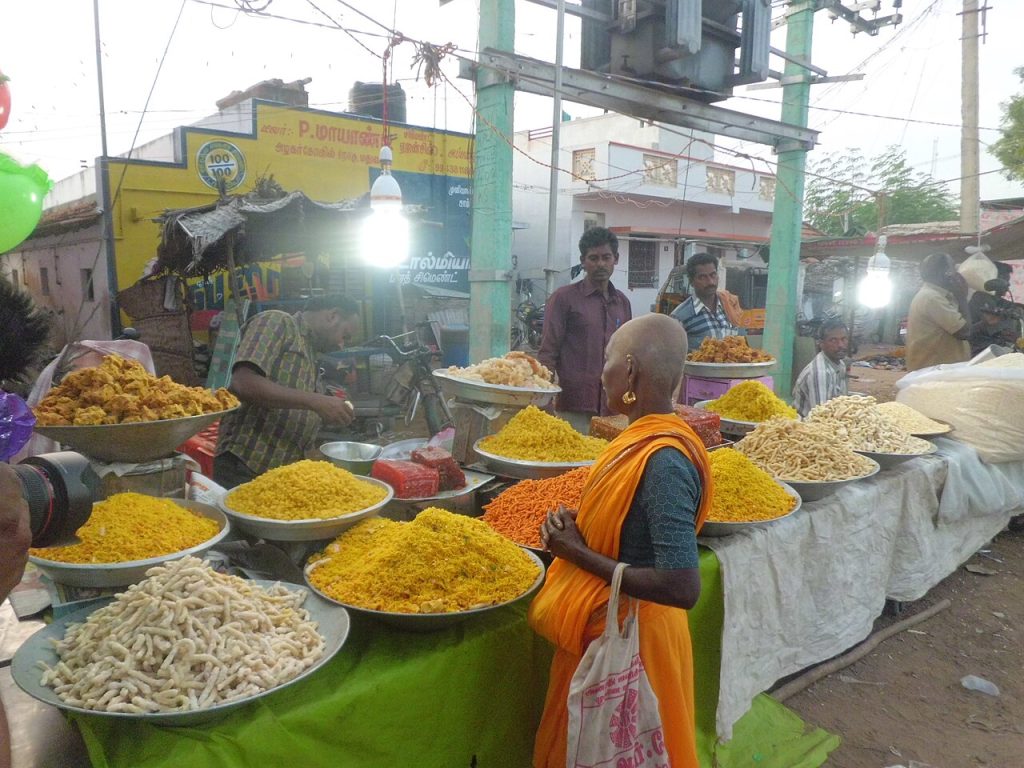
Madurai is also celebrated for its regional cuisine. Take time between processions to enjoy soft steamed idlis with traditional chutneys, or cool down with a glass of jigarthanda, a local chilled milk dessert drink prepared with almond gum and nannari syrup.
What recent visitors say
A quick, honest snapshot from recent Google reviews, so you know what to expect before you go.
What people loved
“Meenakshi Amman Temple is a famous Hindu temple located in Madurai, Tamil Nadu, India. It is known for its colorful gopurams, intricate sculptures, and magnificent Dravidian architecture. The temple holds great religious and cultural…”
“Wanted to visit this historical temple and this is my suggestion for those who are planning to visit here: 1. Mobiles, smartwatches and footware aren’t allowed inside there are lockers near the gates (I’m sure about the West gate as I…”
“The famous Meenakshi Amman Temple is one of the most beautiful temples in India. This is also known as the Meenakshi Sundareswarar Temple, It’s located in Madurai and is dedicated to Goddess Meenakshi. The Meenakshi Amman Temple is a…”
Reviews via Google Maps. Opinions are those of their authors.
Frequently asked questions
When does Chithirai Thiruvizha take place?
The festival is held during the Tamil month of Chithirai, which falls in mid-April to May. Because dates correspond to the waxing moon and Chitra Pournami, specific days shift each year and are confirmed locally by temple authorities.
Can non-Hindus attend the festival?
Non-Hindus are welcome to watch the outdoor celebrations, including the chariot procession along Masi streets and Lord Kallazhagar entering the Vaigai River. However, entry to the inner sanctum of Meenakshi Amman Temple during wedding rituals is reserved for practicing Hindus.
Are cameras allowed at the festival?
Cameras and mobile phones are prohibited inside Meenakshi Amman Temple. Photography is allowed outside on public streets during the chariot procession and along the Vaigai River.
How should visitors manage the summer heat?
Drink water and buttermilk frequently, wear light cotton clothing that meets temple dress standards, and carry an extra pair of thick socks to walk comfortably on hot stone pathways.
Find it
Address: Madurai Main, Madurai, Tamil Nadu 625001, India
You might also like
- Hotels in Madurai
- Festivals of Pondicherry and Tamil Nadu
- Visiting Vandiyur Mariamman Teppakulam in Madurai
- Harvey’s Lounge Bar Madurai: Heritage Drinks on Pasumalai
- Things to do in Pondicherry
- Visiting Vandiyur Mariamman Teppakulam in Madurai
- Pongal and Jallikattu Madurai Guide for Travellers
- Guide to the Madurai Float Festival at Teppakulam