Marundeeswarar Temple stands near the beginning of the East Coast Road in Thiruvanmiyur, offering travelers a quiet encounter with ancient Tamil spiritual heritage before continuing south toward Pondicherry. Dedicated to Lord Shiva, the complex has welcomed pilgrims for well over a thousand years, drawing people seeking good health, calm reflection, and fine Chola-era stonework.
If you are driving between Chennai and Pondicherry, this historic shrine is one of the easiest cultural stops to make. Here is everything you need to know about its traditions, daily rhythm, and visitor guidelines so you can enjoy an unhurried, comfortable morning or evening.
At a glance
| Best time of day | Early morning around 6:30 AM or late afternoon from 5:00 PM |
|---|---|
| Allow | 1 to 1.5 hours |
| Dress | Modest traditional attire; shoulders and knees fully covered |
| Photography | Allowed in open courtyards; forbidden inside sanctums |
| From Pondicherry | roughly 140 km north via the East Coast Road |
The Story and Meaning Behind the Shrines
The name of the temple reveals its ancient connection to traditional healing. In Tamil, ‘marundu’ means medicine, and Shiva is revered here as the Lord of Medicines. Local belief holds that Lord Shiva imparted knowledge of curative herbs and plants to the sage Agastya at this very spot. For centuries, people dealing with illness have visited this sanctuary to pray for recovery and relief.
The shrine also holds deep literary ties. It is recognized as a Paadal Petra Sthalam, one of the 275 sacred Shiva temples honored in the 7th-century devotional verses sung by the Saivite Nayanars Appar and Sambandar. Another enduring tradition connects the temple to Sage Valmiki, author of the Ramayana. Legend says Valmiki rested and worshipped Shiva beneath the sacred Vanni tree here, giving the neighborhood its classical name of Thiru-Valmikiyur, which later became Thiruvanmiyur.
While historical records mention early wooden and brick shrines, the enduring granite structures you walk through today were primarily commissioned and expanded by the Chola kings between the 9th and 11th centuries CE. Additional pillared halls and outer perimeter works were contributed during the Vijayanagara era. Today, the complex is maintained and administered by the Hindu Religious and Charitable Endowments Department of the Government of Tamil Nadu.
Architecture and Shrines Within the Grounds
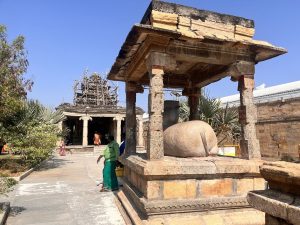
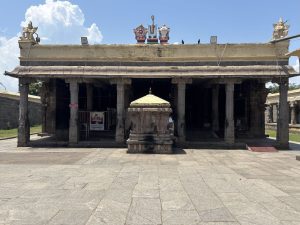
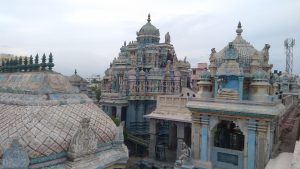
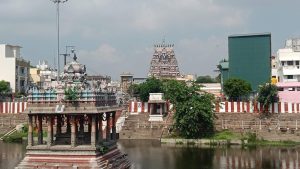
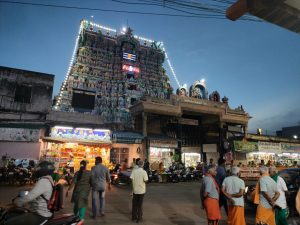
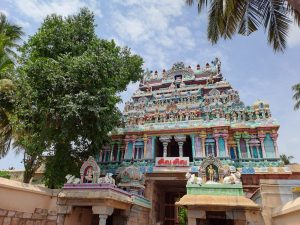
Covering roughly one acre, the temple grounds present a classic example of Dravidian religious architecture. Two towering seven-tiered gateway towers, or Rajagopurams, define its perimeter. One entrance opens east toward the East Coast Road, while the other faces West Tank Street. Outside the western tower sits the sacred temple tank, or theertham, where calm waters reflect the sky before you step inside the gates.
Inside, the layout centers around two primary sanctums. The main shrine houses the self-manifested stone lingam representing Lord Shiva as Marundeeswarar, also known as Aushadeeswarar. Close by stands the separate shrine for his consort, Goddess Parvati, worshipped here under the name Tripurasundari or Chokkanayaki.
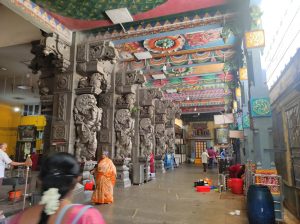
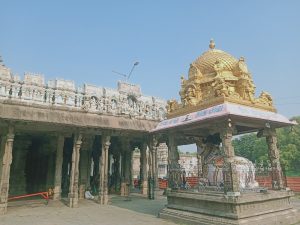
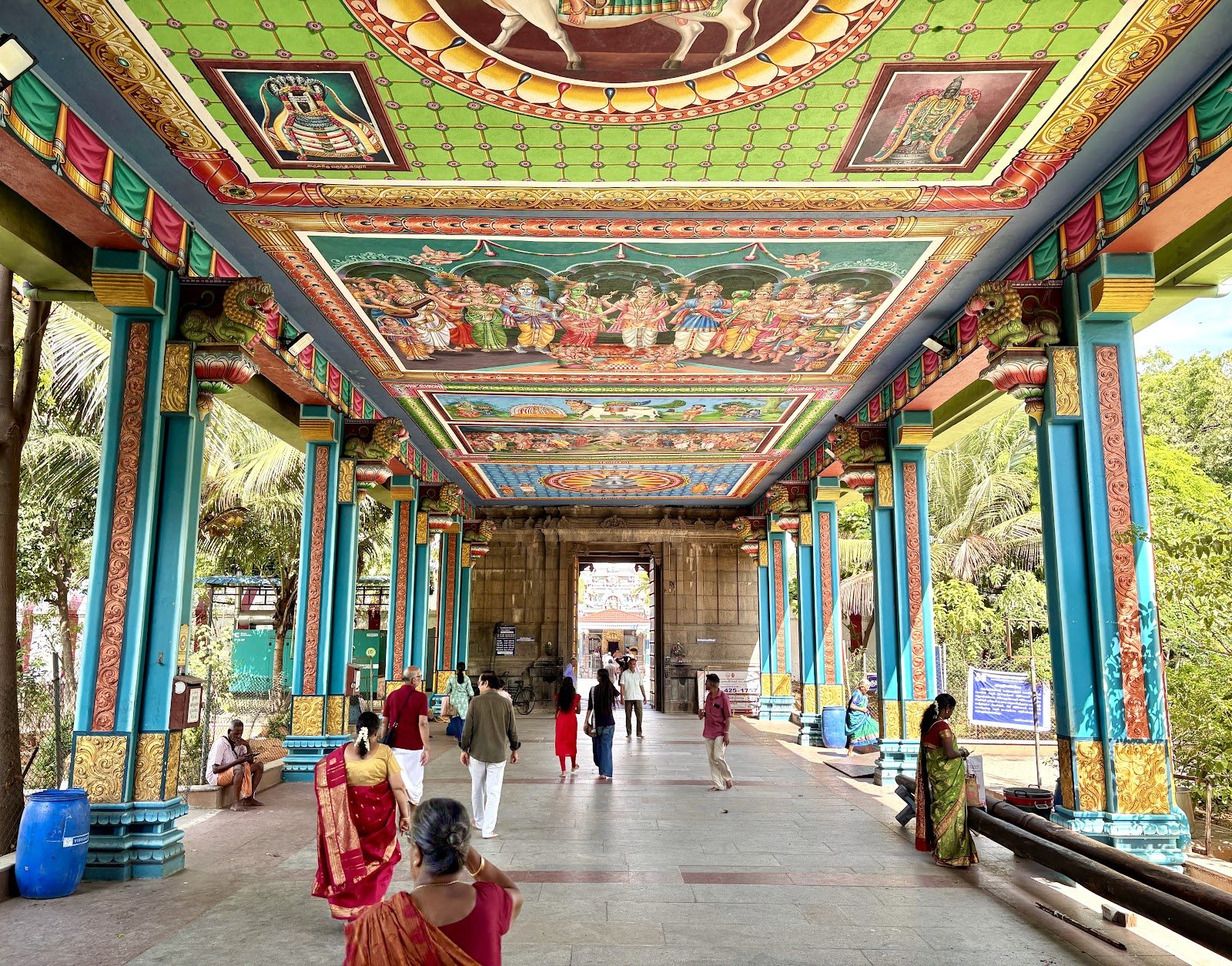
As you walk along the pillared granite corridors, you will pass distinct sub-shrines dedicated to Vinayaka, Nataraja, and the Navagrahas. There is also a respected sub-shrine for Lord Murugan, whose presence here was praised by the 15th-century poet Arunagirinathar in his sacred compositions, the Thiruppugazh. Take your time to examine the bases of the stone pillars, where quiet carvings show musicians, flora, and divine attendants.
How to Navigate Your Visit
Visiting this shrine is straightforward and relaxed compared to larger temple complexes in southern Tamil Nadu. Here is a sensible sequence for walking through the grounds:
- Leave your footwear at the designated shoe stall outside the entrance gate, keeping some small change ready for the attendant.
- Pass beneath the Rajagopuram into the stone-paved outer courtyard, taking a moment to adjust your pace to the quiet atmosphere.
- Proceed clockwise around the outer walkways, walking around the central shrines as is traditional in Hindu worship.
- Join the general queue to enter the inner mandapam for darshan of Lord Marundeeswarar, followed by the shrine of Goddess Tripurasundari.
- Pause to see the side shrines of Murugan, Vinayaka, and the Navagrahas in the outer corridors.
- Spend a few quiet minutes sitting on the polished stone floor of the pillared hall before retrieving your shoes.
General admission is free for everyone. During peak festival mornings or special prayer evenings, you may find counters selling separate tokens for expedited darshan or specific archanas, but the general queue is typically easy and calm on ordinary weekdays.
Dress Code and Practical Etiquette
Because this is an active religious center, visitors are expected to follow the standard regulations established by the temple administration. These rules maintain a quiet, dignified environment for all worshippers.
- Clothing: Traditional attire is required. Men should wear dhotis, kurtas, or regular full-length trousers. Women should wear sarees, salwar kameez sets, or modest ankle-length dresses. Shorts, lungis, and sleeveless shirts are strictly disallowed at the gates.
- Footwear: Leather shoes, sandals, and slippers must be left at the shoe stand outside the entrance. The inner stone courtyards can heat up by midday, making early visits much kinder on bare feet.
- Photography: Taking photographs or recording videos inside the inner sanctum and main prayer halls is strictly prohibited. You may take discreet pictures in the open outer courtyards, but never photograph people in private prayer.
- Non-Hindu visitors: Travelers of all backgrounds are welcome to explore the outer courtyards and admire the stone architecture. Access into the deepest inner sanctum during major rituals can vary, so please observe local signage and follow the guidance of temple staff.
- Demeanor: Speak in low voices, switch your mobile phone to silent mode, and walk clockwise around all shrines.
Local tip: Wear slip-on shoes for your visit. Untying complicated laces on the street corner outside the gate is inconvenient, especially during damp weather.
Visiting Hours and the Best Time to Go
The temple follows the standard two-session daily schedule typical of Tamil Nadu shrines, closing for several hours in the heat of the afternoon:
| Daily Session | General Hours |
|---|---|
| Morning Session | 5:30 AM to 12:00 PM |
| Evening Session | 4:00 PM / 4:30 PM to 8:30 PM / 9:00 PM |
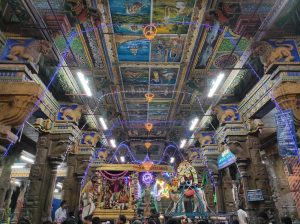
Hours can shift slightly during the sacred Tamil month of Margazhi (mid-December to mid-January), when the temple opens earlier in the morning for winter dawn prayers. The primary festival here is the ten-day Panguni Brahmotsavam, celebrated in March or April. The temple also draws heavy crowds during Maha Shivaratri, Skanda Sashti, Ganesh Chaturthi, and the bi-monthly Pradosham evenings.
For the quietest experience, arrive between 6:00 AM and 7:30 AM on a weekday. The morning air is cool, the stone flagstones are pleasant beneath your feet, and the temple priests conduct their morning rites with calm focus.
Reaching the Temple from Pondicherry
If you are starting from Pondicherry, the journey to Marundeeswarar Temple covers roughly 140 kilometers north along the scenic East Coast Road. In normal traffic, the drive takes about 3 to 3.5 hours by private taxi or car. Because the temple sits right along the southern gateway to Chennai in Thiruvanmiyur, you do not have to drive through deep city traffic to reach it.
For travelers arriving from other parts of Chennai, the Thiruvanmiyur MRTS train station is about 1.5 to 2 kilometers away, making for a short auto-rickshaw ride. Chennai Central railway station is about 15 kilometers away, Chennai Egmore is roughly 13 kilometers distant, and Chennai International Airport is roughly 14 to 16 kilometers to the west.
If you wish to stay overnight nearby before heading down the coast, look for boutique hotels and guesthouses in the adjacent neighborhoods of Besant Nagar and Adyar, or consider heading down the East Coast Road toward beachfront properties.
Places to Combine with Your Visit
Because Thiruvanmiyur borders some of south Chennai’s pleasant seaside areas, you can easily pair your temple stop with nearby cultural sights:
- Kalakshetra Foundation: Located just minutes south in Thiruvanmiyur, this renowned arts academy is celebrated for classical Bharatanatyam dance, music, and traditional handloom weaving.
- Ashtalakshmi Temple: Situated along the water at Besant Nagar, this unique tiered temple is dedicated to the eight manifestations of Goddess Lakshmi.
- Arupadai Veedu Murugan Temple: Also in Besant Nagar, this coastal complex houses representations of all six primary abodes of Lord Murugan.
- Elliot’s Beach and Thiruvanmiyur Beach: Wide sandy shores ideal for an evening stroll, watching local fishermen, and catching a breeze from the Bay of Bengal.
For breakfast after an early morning visit, the surrounding streets of Thiruvanmiyur offer several traditional vegetarian messes where you can enjoy hot idlis, crisp vadas, and fresh filter coffee before you hit the highway.
What recent visitors say
A quick, honest snapshot from recent Google reviews, so you know what to expect before you go.
What people loved
★★★★★ PradeepChand · in the last week
“Lord Shiva avathar is Doctor. So it’s Doctor Shiva Temple . Very ancient, powerful & Popular Temple”
★★★★★ S. · 3 months ago
“Arulmigu Marundeeswaram Temple, Thiruvanmiyur is one of the most magnificent and spiritually powerful Lord Shiva temples in Chennai. It is not just a place of worship but a living symbol of Tamil culture, ancient architecture and…”
★★★★★ Ashok · 3 months ago
“Old temple maintained clean and beautiful gopuram in front. Roads lead to temple parking are narrow. Should be good to visit during weekdays.”
Reviews via Google Maps. Opinions are those of their authors.
Frequently asked questions
Is there an entry fee to visit Marundeeswarar Temple?
General entry into the temple is completely free. Small charges may apply if you choose to purchase special darshan tokens or specific pooja tickets at the temple counters.
What should I wear when visiting the temple?
Modest traditional clothing is mandatory under state temple rules. Men should wear trousers, dhotis, or kurtas, while women should wear sarees, salwar kameez, or modest long dresses. Shorts, mini skirts, and sleeveless tops are not permitted.
Can non-Hindus enter Marundeeswarar Temple?
Non-Hindu visitors are welcome to explore the outer courtyards and admire the historic Chola stone architecture. Access to the inner sanctum during daily rituals may vary, so please follow posted signs or local guidance.
How long does a typical visit take?
Most visitors spend between 45 minutes and 1.5 hours. This allows plenty of time to walk through the gateways, view the main shrines, see the stone mandapams, and sit quietly in the hall.
Find it
Address: Lalitha Garden, 8, W Tank St, Lalitha Nagar, Thiruvanmiyur, Chennai, Tamil Nadu 600041, India
You might also like
- Where to stay in Pondicherry
- Churches, temples, mosques and ashrams in Pondicherry
- Saneeswarar Temple
- Sri Aurobindo Ashram
- Sacred Heart of Jesus Church
- Things to do in Pondicherry
- Visiting Parthasarathy Temple in Triplicane Chennai
- Visiting Sri Parthasarathyswamy Temple in Chennai
- Visiting Santhome Cathedral Basilica in Chennai: A Guide
- Visiting Shri Ashtalakshmi Temple in Chennai: A Guide